
Irritable Bowel Syndrome – What can you do? Dietary intervention and more I have worked with people with IBS for the past 20 years, with nutritional therapy and for the past 15 years with the method NAET to tests and reduce the over-reaction to food and the more. IBS is quite often over-looked by the conventional methods, as if they do not find any bacteria or viruses, there is nothing pretty much that they can do. IBS can be the cause of stress, leaky gut, bacteria and viruses as well as food over-reaction. With the leaky gut syndrome you pretty much over react to many foods, as the food group that you eat is not digested or broken down into nutrients and then absorbed through the intestinal tract, by tight junctions. The tight junctions, which allow only nutrients in, are too open, either as a results or stress, medications, too many antibiotics, or a gastroenteritis that has eliminated your entire friendly bacteria, hence caused a dysbiosis or a higher un-friendly bacteria that would cause more damage to the gut lining. During the first consultation, I take a details account of your health, test with NAET method click here to read about it, and suggest food to eliminate for the time being till we treat with NAET and supplements to support the health of your intestinal tract for the time that we treat with NAET. During the follow up, whatever allergen you tested positive during the first consultation, will be treated, one at each session, and the follow up combines craniosacral therapy to settle your entire system into the new being. Both therapies combined are very powerful healing tools for the body, mind and soul. The person experience can be as they need to be, and at the end of the sessions, their intestinal tract and their life has changed positively to move forward. There are certain times that NAET method needs more treatments for the same things, such as for nuts (not for IgE treatments) or gluten intolerances, as well as lactose intolerance which is more about a lack of the enzymes to digest these two components. For the rests, including hayfever (treated only during the winters after the first main food groups and nutrients that showed up are treated), the improvements and elimination has had amazing results. For the eczema results also look at the pictures of one of my past clients who had the results within 6 months of her treatments with NAET. Her children had a similar long lasting results as well. click here for the pictures. Here is a link to my e-book: Clinical experience of Irritable Bowel Syndrome – Gut-Brain axis versus Brain-gut axis. click here to order the paper book version on amazon.co.uk or the kindle version. The book contains the following information: What is IBS? What are the main triggers? Allergies and Intolerance what is the difference? What can you do with your diet to change things around? What supplements can you take to change the symptoms? My clinical experience with the condition, which include NAET, nutrition and Craniosacral therapy treatments as well as healing.
Irritable Bowel Syndrome – What can you do? Dietary intervention and more
Tag: nutrition
Why You Need Vitamin B12: Functions and Benefits Explained
As a nutritionist you get always surprised when something that you recommended to one of your clients did exactly what your client told you. Sometimes I think they might be a placebo effect when the improvement is so quick, but I must admit that it is possible.
One of my clients, a while back, said that vitamin B12 sublingual made a huge difference from the moment they took it. Now I thought, well the research mention that it might take few weeks to see a big improvement with sublingual or even with B12 injections, which by the way, sublingual and injections seems to have the same quick effect, so I now might choose the sublingual instead.
I had a series of little things recently, which started from my digestions of food, not as noticeable that I thought of a problem, as everything seems to be ok. I did have a bit of stress due to my dog passed away this year, but I did not think that stress and sadness would turn into a healthy issue, even though I should know better. As usual as therapist we think we are invincible and always ok.
Anyway, I did a good liver detox, digestions make over, food and diet a bit healthier than before (pretty healthy, already), a bit more soups and stew, with plenty of vegetables, nutritious proteins and good fats, and plenty of liver detox support supplements. That made my digestions and liver very, very happy. Now due to the liver and digestions problems, my immune system went down, with more viral infections that I usually have.
The last one is the one that is going around, the sore throat and flu. I manage it again with lots of vitamin C and other immune support. But still could not shift it, even with steam and lots of throat support and gargles with salt and water, and more, it seems my body immunity did not fight back quickly enough.
At some point I was much better, but still at night I would have this irritate cough and a sensation that a frog was stuck in my throat, I decide to go and buy some oregano to support my immune system with the vitamin C and a multi vitamin support. I could not find the oregano but for some nutritional instinct I decided to buy a sublingual Vitamin B12. I took 2 sachets of it of a total of about 500 microgram and within less than 10 minutes my irritate frog went completely, to my amazement, my mucus was loose and little. I thought was only my imagination, but did not have any cough at night and woke up still ok. I feel myself again. Now ideally would want to check my B12, but I am not vegetarian and I thought that might be normal. Eventually I will but could be that is going to be private, as the NHS right now is a bit annoying for appointments.
I looked more into the B12, and in reality, the fact that I had a stomach issue, due to low stomach acid, might have stopped the intrinsic factor and the R factor to transport my B12 into the cells.
Now I will explain a bit more about the absorption, and function of the B12 in more details, for everyone to understand the reason why everyone, from vegan to meat eaters can be low in B12, even though B12 is stored for years, if it is not transported into the cells, it is like you have none.
B12, unlike any other water B vitamins that are excreted every few hours from your body, is stored in the liver, with vitamin D, E and A.
Sources of vitamin B12 are only from animal products, any vegetarian source is by contact with animal or cross contamination or fortified vegetarian food, included cereals. Now the source of fortified food depends on the quality and the form of the B12.
B12 has a corrin nucleus and is part of the groups called corrinoids. This is a macrocyclic ring made of four reduced pyrrole rings linked together, this will carry an atom of cobalt, hence quite often you will see the name of the B12 as cyanocobalamin, hydrocobalamin, and Methylcobalamin and more. The methylcobalamin are the active form as coenzymes for many functions in the body.
Bioavailability of B12 can be impaired by vitamin C, so if you take B12 with a high or low dosage of vitamin C together at the same time or up to 1 hour after meal, such as 500mg, you stop from the B12 to work and be absorbed.
Digestion, absorption, transport and storage of vitamin B12:
Once the B12 is ingested from food, it needs to be released from the enzyme pepsin in the stomach (the stomach acid needs to be working well for the pepsin to be secreted, low stomach acid, will impair the secretion of pepsin and hence, B12 is not going to be released from the food, even if you are a meat eaters or eggs eater).
Also with stress, there is no signal to the stomach to release and activate pepsin to digest the proteins. The vagal nerve, is involved in the digestion process, too much into stress mode or sympathetic mode, will stop your full and healthy digestion, hence my stress or sadness caused by the loss of a dog, who was very dear to me, caused my stress, which caused my low stomach acid, which caused my B12 malfunction, which caused my immunity to go down, and so forth. Connecting the dots……
Once B12 is released from the food ingested, it needs two proteins for working. One is the intrinsic factor (IF) and the other is the R proteins. The IF is again made by the gastric cells (made again with a good and healthy stomach acid). IF is made and released by the stomach during a healthy digestion and works in the small intestine. The R proteins are everywhere in the body fluids, and have a high affinity for cobalamin. R will pick up the free cobalamin and transport it to the duodenum, first part of the small intestine, where the pancreatic juices will release the B12 again, unless you have a pancreatic insufficiency, (low enzyme activity) and again the B12 will not be released into the small intestine for transport into the blood stream. Again, if something goes wrong no B12.
In the proximal small intestine, the IF will pick up the freed B12 and transport it to the ileum, where receptors for B12 will wait for it to be transported into the blood stream. IF can transport B12 through the entire ileum and receptors are everywhere in the small intestine.
It seems that calcium ions is an essential mineral for the absorption of B12 into the blood stream.
From normal ingestion of food with B12, the process of absorption might take 3 to 4 hours before is in the blood stream.
As I mentioned before, B12 is the only one that can be stored in the liver for a long time and even years, and it is also found in small amount in kidneys, spleen, bone, heart and brain.
Now if children are vegan from weaning, and they are not given extra B12 supplementation from early age, there is a possibility that the child will be low in B12, which possible serious issues with their growth.
Some of the Function of B12:
- Co-enzyme for the conversion of homocysteine into methionine.
- Essential for the maintenance of the protective sheath surrounding nerves, hence, essential for the good function of the nervous system.
- Has a key role for the making of a healthy red blood cell, hence essential for circulation and healthy blood.
- Is a co-enzyme for one of the steps in making the ATP, the energy fuel for your cells, in the Kreb cycle, the energy nuclear power, in the mitochondria (where fuel for your body is formed, the CoA mutase).
- It is part of the making of the serotonin in your body, the feeling good neurotransmitter, hence important for the health of the brain and mood.
- Essential vitamin for making and repairing of DNA. This is essential for your life, really. The methylation part is an essential step for the DNA building block and the repair of damaged DNA. Without a sufficient B12, the DNA building and repair will be severely disrupted.
- Supports also the normal function of the immune system. This is done by promoting white blood cells maturation and formation, as well as synthesis of division and replication of the DNA for the immune system.
- Essential during pregnancy to prevent birth defect, with folate, this promotes cells division and DNA formation of the baby.
- Essential for the health of the bones, through the synthesis of taurine, an amino acid essential for bone formation. There is also a positive correlation with good amount of B12 function and bone density.
- B12 for the eyes, is essential for the myelin sheath of the eyes, reduces dry eyes and reduction of oxidative stress, as well as inflammation.
Tests for B12 deficiency due to IF deficiency is a full blood count, which will measure serum B12 and some active B12.
An anti-intrinsic factor antibody test can be suggested for pernicious anaemia (autoimmune disease) or megaloblastic anaemia (big red blood cell).
Other tests are also recommended with folate as well.
As you have seen from the B12 ingestion, absorption, transportation and life of the B12, this is not just another B vitamin, is an essential vitamin for your health and life.
If you are vegan or you have children that are also vegan, do consider for life to have B12 sublingual supplementation, to make sure that your children will grow well without health issues, and you, yourself, is healthy.
Even as a meat eaters, if you have low stomach acid, or you are taking medication to reduce your stomach acid, if you had a gastric bypass, or you have any issues with digesting your food, pancreatic issues, bile issue, or constant stress, cannot sleep due to stress, have or had a bereavement, moved houses, or changed your lifestyle or you are the last person that you think about, due to overwhelming responsibility, than think about testing for B12 or even take for a while a sublingual B12 with folate if possible.
If you are pregnant and vegan, do take the vitamin, sublingual, as you have seen the long process and possible problems that the normal digestive journey of the B12 is, and possibly in a normal tablet form, will not reach the blood stream due to any of the digestive system problems.

Why You Need Vitamin B12: Functions and Benefits Explained
As a nutritionist you get always surprised when something that you recommended to one of your clients did exactly what your client told you. Sometimes I think they might be a placebo effect when the improvement is so quick, but I must admit that it is possible.
One of my clients, a while back, said that vitamin B12 sublingual made a huge difference from the moment they took it. Now I thought, well the research mention that it might take few weeks to see a big improvement with sublingual or even with B12 injections, which by the way, sublingual and injections seems to have the same quick effect, so I now might choose the sublingual instead.
I had a series of little things recently, which started from my digestions of food, not as noticeable that I thought of a problem, as everything seems to be ok. I did have a bit of stress due to my dog passed away this year, but I did not think that stress and sadness would turn into a healthy issue, even though I should know better. As usual as therapist we think we are invincible and always ok.
Anyway, I did a good liver detox, digestions make over, food and diet a bit healthier than before (pretty healthy, already), a bit more soups and stew, with plenty of vegetables, nutritious proteins and good fats, and plenty of liver detox support supplements. That made my digestions and liver very, very happy. Now due to the liver and digestions problems, my immune system went down, with more viral infections that I usually have.
The last one is the one that is going around, the sore throat and flu. I manage it again with lots of vitamin C and other immune support. But still could not shift it, even with steam and lots of throat support and gargles with salt and water, and more, it seems my body immunity did not fight back quickly enough.
At some point I was much better, but still at night I would have this irritate cough and a sensation that a frog was stuck in my throat, I decide to go and buy some oregano to support my immune system with the vitamin C and a multi vitamin support. I could not find the oregano but for some nutritional instinct I decided to buy a sublingual Vitamin B12. I took 2 sachets of it of a total of about 500 microgram and within less than 10 minutes my irritate frog went completely, to my amazement, my mucus was loose and little. I thought was only my imagination, but did not have any cough at night and woke up still ok. I feel myself again. Now ideally would want to check my B12, but I am not vegetarian and I thought that might be normal. Eventually I will but could be that is going to be private, as the NHS right now is a bit annoying for appointments.
I looked more into the B12, and in reality, the fact that I had a stomach issue, due to low stomach acid, might have stopped the intrinsic factor and the R factor to transport my B12 into the cells.
Now I will explain a bit more about the absorption, and function of the B12 in more details, for everyone to understand the reason why everyone, from vegan to meat eaters can be low in B12, even though B12 is stored for years, if it is not transported into the cells, it is like you have none.
B12, unlike any other water B vitamins that are excreted every few hours from your body, is stored in the liver, with vitamin D, E and A.
Sources of vitamin B12 are only from animal products, any vegetarian source is by contact with animal or cross contamination or fortified vegetarian food, included cereals. Now the source of fortified food depends on the quality and the form of the B12.
B12 has a corrin nucleus and is part of the groups called corrinoids. This is a macrocyclic ring made of four reduced pyrrole rings linked together, this will carry an atom of cobalt, hence quite often you will see the name of the B12 as cyanocobalamin, hydrocobalamin, and Methylcobalamin and more. The methylcobalamin are the active form as coenzymes for many functions in the body.
Bioavailability of B12 can be impaired by vitamin C, so if you take B12 with a high or low dosage of vitamin C together at the same time or up to 1 hour after meal, such as 500mg, you stop from the B12 to work and be absorbed.
Digestion, absorption, transport and storage of vitamin B12:
Once the B12 is ingested from food, it needs to be released from the enzyme pepsin in the stomach (the stomach acid needs to be working well for the pepsin to be secreted, low stomach acid, will impair the secretion of pepsin and hence, B12 is not going to be released from the food, even if you are a meat eaters or eggs eater).
Also with stress, there is no signal to the stomach to release and activate pepsin to digest the proteins. The vagal nerve, is involved in the digestion process, too much into stress mode or sympathetic mode, will stop your full and healthy digestion, hence my stress or sadness caused by the loss of a dog, who was very dear to me, caused my stress, which caused my low stomach acid, which caused my B12 malfunction, which caused my immunity to go down, and so forth. Connecting the dots……
Once B12 is released from the food ingested, it needs two proteins for working. One is the intrinsic factor (IF) and the other is the R proteins. The IF is again made by the gastric cells (made again with a good and healthy stomach acid). IF is made and released by the stomach during a healthy digestion and works in the small intestine. The R proteins are everywhere in the body fluids, and have a high affinity for cobalamin. R will pick up the free cobalamin and transport it to the duodenum, first part of the small intestine, where the pancreatic juices will release the B12 again, unless you have a pancreatic insufficiency, (low enzyme activity) and again the B12 will not be released into the small intestine for transport into the blood stream. Again, if something goes wrong no B12.
In the proximal small intestine, the IF will pick up the freed B12 and transport it to the ileum, where receptors for B12 will wait for it to be transported into the blood stream. IF can transport B12 through the entire ileum and receptors are everywhere in the small intestine.
It seems that calcium ions is an essential mineral for the absorption of B12 into the blood stream.
From normal ingestion of food with B12, the process of absorption might take 3 to 4 hours before is in the blood stream.
As I mentioned before, B12 is the only one that can be stored in the liver for a long time and even years, and it is also found in small amount in kidneys, spleen, bone, heart and brain.
Now if children are vegan from weaning, and they are not given extra B12 supplementation from early age, there is a possibility that the child will be low in B12, which possible serious issues with their growth.
Some of the Function of B12:
- Co-enzyme for the conversion of homocysteine into methionine.
- Essential for the maintenance of the protective sheath surrounding nerves, hence, essential for the good function of the nervous system.
- Has a key role for the making of a healthy red blood cell, hence essential for circulation and healthy blood.
- Is a co-enzyme for one of the steps in making the ATP, the energy fuel for your cells, in the Kreb cycle, the energy nuclear power, in the mitochondria (where fuel for your body is formed, the CoA mutase).
- It is part of the making of the serotonin in your body, the feeling good neurotransmitter, hence important for the health of the brain and mood.
- Essential vitamin for making and repairing of DNA. This is essential for your life, really. The methylation part is an essential step for the DNA building block and the repair of damaged DNA. Without a sufficient B12, the DNA building and repair will be severely disrupted.
- Supports also the normal function of the immune system. This is done by promoting white blood cells maturation and formation, as well as synthesis of division and replication of the DNA for the immune system.
- Essential during pregnancy to prevent birth defect, with folate, this promotes cells division and DNA formation of the baby.
- Essential for the health of the bones, through the synthesis of taurine, an amino acid essential for bone formation. There is also a positive correlation with good amount of B12 function and bone density.
- B12 for the eyes, is essential for the myelin sheath of the eyes, reduces dry eyes and reduction of oxidative stress, as well as inflammation.
Tests for B12 deficiency due to IF deficiency is a full blood count, which will measure serum B12 and some active B12.
An anti-intrinsic factor antibody test can be suggested for pernicious anaemia (autoimmune disease) or megaloblastic anaemia (big red blood cell).
Other tests are also recommended with folate as well.
As you have seen from the B12 ingestion, absorption, transportation and life of the B12, this is not just another B vitamin, is an essential vitamin for your health and life.
If you are vegan or you have children that are also vegan, do consider for life to have B12 sublingual supplementation, to make sure that your children will grow well without health issues, and you, yourself, is healthy.
Even as a meat eaters, if you have low stomach acid, or you are taking medication to reduce your stomach acid, if you had a gastric bypass, or you have any issues with digesting your food, pancreatic issues, bile issue, or constant stress, cannot sleep due to stress, have or had a bereavement, moved houses, or changed your lifestyle or you are the last person that you think about, due to overwhelming responsibility, than think about testing for B12 or even take for a while a sublingual B12 with folate if possible.
If you are pregnant and vegan, do take the vitamin, sublingual, as you have seen the long process and possible problems that the normal digestive journey of the B12 is, and possibly in a normal tablet form, will not reach the blood stream due to any of the digestive system problems.
Nutrition in pregnancy, preparing to have a human being!
Making a human being, needs to be thought and prepare the vessel, or a woman body, as well as the man sperm, to make sure that the human being that you are making, is healthy, and stays healthy in their adult life.
And it is true that sometimes, the grandmothers health is as important as the parents themselves. That is because the eggs of the women are already there since birth. So the health of the father or the mother, has been determined in some way already by the health of their mothers.
The second stage of your baby health is the parents body health. For the man, if they want a healthy sperm, they need to prepare at least 3 months before to even started to have a baby, as the cycle of the sperm take almost 3 months to complete. So for the sperm to be healthy the man needs to start giving up alcohol, and increase their exercise and healthy eating at least 3 months before.
For the mother, again if they smoke (or both parents smoke, ideally start reducing or giving up, without the vape either, as that is pure nicotine, 6 months or a year before hand).
The mother vitamin A needs to be there stored in the liver. Vitamin A is essential for fertility for both parents, cell division and replication, when there an insemination and then for implantation of the embryo, as well as for the eyes health.
For the vegetarian form, beta-carotene during pregnancy does not convert well to Retinol, so might be important that a supplement of vitamin A, or retinol, before falling pregnant is essential for vegetarian and vegan mothers.
Iron status also needs to be at optimum level for mothers, so that they do not fall too low during pregnancy. Iron is essential for many functions and growth during pregnancy for the mother and the baby.
Vitamin D is also essential to be at optimum level for mothers prior to pregnancy, as well as vitamin E. Vitamin D for calcium uptake for mothers and babies, and vitamin E a anti-oxidant for both.

Read more on my website http://www.nutritionhealth.net North London clinics
Understanding Liver Detox: Importance and Phases Explained
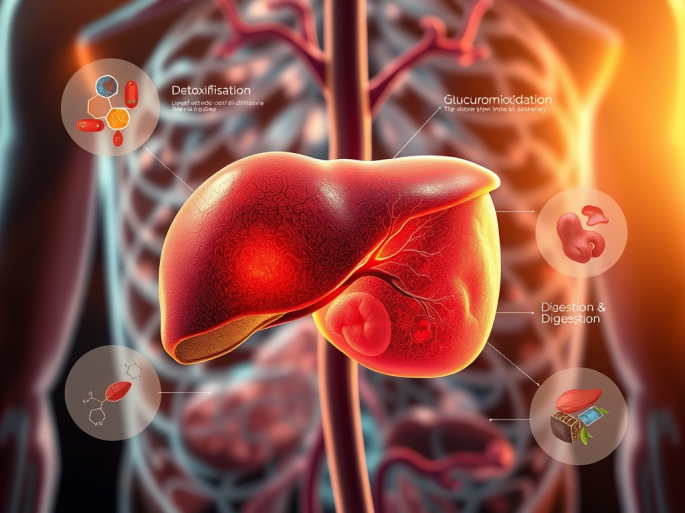
I have talked in the past about liver and the detox. How important the liver is and how much we undervalue it for what we think about it.
The liver is the essential part of our body and organs, it is the one that protects you from the outside world in the food way. Anything that you eat will go through the liver first and than we pass through the blood and then where it needs to go.
The liver is the one that break down and make up things and compounds. Makes the protein that you need for everything that you do, and most of all detoxifies all the things that you absorb and gets read of everything that you need to let go.
There is phase I that I consider it as the adding the garbage into the bin. Quite often this phase of the liver can be more dangerous, especially if it is too fast compare to the Phase II, which is the garbage man taking the rubbish out, either through urine or through stools.
Genetically Phase I and II unfortunately can be slow in clearing things, which it means that if one of the 6 pathways in Phase II is slow or not working at all, then one of the other pathway needs to work much more.
For example if the pathway called glucoronidation does not work well or slow, if you drink too much or eat heavy food, or do not eat any food for more than 3 hours, you start getting a bit yellow or the jaundice. This is called Gilbert’s Syndrome. Luckily this pathway is supported by glutathione pathway, and if you take the extra glutathione then the jaundice reduces and you feel light and less tired and grumpy! However, if the glutathione pathway does not work well or is slow and the one of the methylation pathway do not work well, than the result could be headache, low mood, tiredness and feeling heavy. This is just a small sample of the possibility. The other coin could be that the phase I is too slow, then the coffee that you drink at 9am in the morning, will still be affecting you by midnight, or if you drink it at 3pm, than is an all night awake. If this is too slow, than it is advisable that you do not eat any Grapefruit, as this will slow down the phase I even more!
Then there the Methylation pathway, which is involved in any of the detox, and making things in our body, including getting rid of the homocysteine and hence affecting the heart and brain. This has also been connected to the epilepsy and autism. Methylation is also involved in making glutathione, this powerful antioxidant, as well as with arginine is involved in making nitric oxide, another powerful antioxidant.
You get the enzymes for the detox and methylation from both your parents, so usually you should get at least one that work, it is slower but it works. But if you get both of your parents SNP that do not work for any of the pathway and especially the methylation, than you are in trouble. And that trouble can start from when you are a baby, as you will not detoxifying any extra toxins that you would inject or ingest.
If you do have either one of the liver detox problem or Gilbert’s Syndrome (a test of total bilirubine from the doctor will tell you if you have it very high), then there is a possibility that you might get a non-alcoholic fatty liver, even if you eat well. Stress or high stress I would say, could lead to extra building stress hormones, which can affect the liver detox pathway. The bile also can start having problems breaking down fat (bilirubine, is from bile and elimination of fatty food into feces), if you do not eat enough vegetables fibers, the fat is not eliminated well enough and the liver might also build up some cholesterol. You might also get a bile reflux, when the sphincter of Oddi is not relaxed enough or closes and opens easily. This can be due to extreme stress, or holding emotions in leading to tight muscles.
The sphincter of Oddi, regulates the flow of digestion, by releasing the bile from the liver and the pancreatic juice from the pancreas to enter the duodenum (the next part of the stomach, where they mix with food to aid digestion. It is a one way valve, preventing the duodenal contents to backflow to the bile and pancreatic ducts.
It is important to seek medical advice if you feel nausea, pain on the right side upper stomach and belly, especially after eating or eating fatty food. If you are under stress from work, and family and more, you might cause the vagal nerve that deals with digestion to shut down leading to the valve and the digestive system to work poorly, and leading the valve to either staying open or shut.
Before getting to that, you might feel food and the stomach looks like you are pregnant within few minutes to half an hour of your meals (this could also be due to low stomach acid). You feel extremely tired, yellowish if you have or do not have Gilbert’s Syndrome, your stools float (you need to flash few times to go down) or are sticky or shiny. This means you are not breaking down your fat. Your urine is a bit more yellow, as you can not flush the bilirubine enough or eliminate enough toxins.
Once you are at this point you need a proper liver diet with plenty of fiber, being strict, with no alcohol drinking and sugar and more, as well a liver support, for about 6 months or more.
As a nutritionist, I would advice the diet, and supplements to go on, as well as having sessions of craniosacral therapy to reduce the stress and vagal nerve sympathetic constant activation, hence regulation of stress and relaxation. This can be a session of at least 5 to 10.
Lifestyle changes is essential in this cases, and understanding your health is more important that anything else!
Email Maria Esposito or call her to make an appointment for a nutritional session and a craniosacral therapy combination.
Craniosacral Therapy (CST) Transformational healing, of body, mind and soul
Craniosacral therapy
Featured by Craniosacral Therapy/Paediatric craniosacral therapy/Nutrition/NAET/ NLP Health Coach/Mindfulness meditation, posted in Blog, cranio-sacral therapy
Craniosacral therapy is a subtle and profound healing form. See your life transmuting into a bliss, healing from inside out!
In a typical craniosacral session, you will usually lie fully-clothed on a treatment couch. The therapist will make contact by placing their hands usually lightly on your body and tuning in. The first thing you will probably notice is a sense of deep relaxation, which will generally last throughout the session. This release of tension often extends into everyday life.
Often traumas from childhood are stored in our body or even cells, and those unconscious traumas, can be triggered at any time in the life of the adults. Quite often with a body injury or illness. Craniosacral therapy allows the body system to feel safe enough to show the trauma, big or small, at the time that the person is ready to deal with, usually when they feel safe enough to share or deal with whatever emotion is attached to that trauma. With mindfulness meditation and heart meditation, the person has a tool to be able to connect with their heart and deal with whatever comes up in a loving space. My work is to connect to my heart and the person heart to reach a stillness where anything is possible, and any healing is allowed to happen in a loving experience. Craniosacral therapy, does not force any trauma out without the person being ready. That is the magical part of this wonderful therapy.
Sometimes the benefits are not immediately noticeable but become obvious on returning to a familiar environment. The work is often deeply moving and exhilarating.
The benefit can also be noticed after few days in some people. The experience is different from each baby, child or adult according to their own need of balance and adjustm
Short Chain Fatty acid for your intestinal tract health
As Nutritionist, we have known for a long time, and at least I have since my University training more than 26 years ago. The health of the gut is very much an essential part of all our health, including the brain, hence the mental health of a person. It starts from birth, from picking up your mum’s bacteria, if it was a natural birth, and if not, from being breastfed, and if not from all around you. Obviously, from a natural birth (not water birth as such, as still is a doubt if the bacteria gets washed out with the water). In natural birth though again, depends on your mum’s vaginal bacteria. Sometimes I recommend to give friendly bacteria to babies, when mum’s might not have supported their friendly bacteria through the diet, or if they have taken antibiotics for any reason or another while pregnant.
Now, we all have our unique microbiome and hence that is what it will grow from the start. And the we know that the first 1000 days of life (Swansey study), are the most important for populating your babies and toddler microbiome. If for any reason, such as antibiotics have been given or taken during pregnancy or lactation, your baby has been born through a C-section, then, it is possible that instead of the good bacteria, the more non-commensal bacteria that could do more harm than go, will thrive.
So the best next thing that you can do for your baby is giving some Bifidus baby infantis to support the proliferation of their good microbiome, and stop the growth of yeast or other non commensal bacteria.
Babies have more Bifidus bacteria, which feed on either the mother’s breastmilk or bottle fed milk. From 6 months, after you start adding more food, the Bifidus that feeds on milk, start to go down and more of the lactobacillus and other good bacteria start to grow. Now, it depends on how you start your baby diet, if you start on more sugary foods, such as fruits, then, the yeast bacteria can overgrow, and your baby might start getting the taste buds for sweet. If you start on more vegetables, than, the bacteria that feeds on vegetables grow and are better. Also in this way, your baby will not crave more of the sugary foods later on.
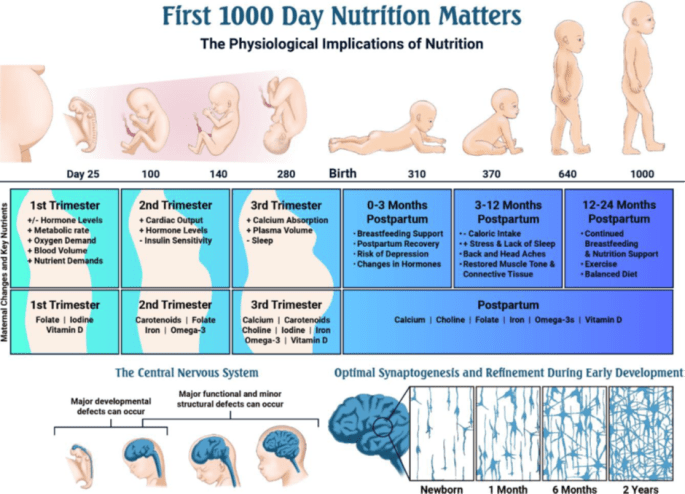
There are lots of weaning thoughts and diet out there, just remember, that your baby does not have teeth and the digestive system is not fully developed till the age of 14 years! Yes 14 years, for the liver, the kidney and the entire intestinal tract is formed. So make sure that more of the good food is ingested than the rubbish food. It starts from you and when they are weaning as well. Click here to read what I suggests, and you can make up your mind of what is the best for your baby as well. Ask your mum, if you turned out really healthy, what she weaned you first!
To feed more of the good microbiome, such as the acidophilus and Bifidus bacteria, they need to feed on food that they can eat. The by product or the elimination of their feeding, is fuel for the repair of the intestinal tract.
The intestinal tract, needs repairing every 3 days or so. So they need food every day, to do you a lot of good.
And as we know the healthier the intestinal tract is, the healthier your mental status! Lots and lots of research on this now.

What food does increase the short chain fatty acid (SCFA), which is the food that the bacteria eat to repair your intestinal tract. The SCFA are essential for the repair of the intestinal tract, as well as, reducing inflammation, support the integration of the gut barrier, preventing undigested food to enter the blood stream and hence reducing the chance of allergic reaction to normal food, and much more.
All in fermented food:
Butyrate in oils, butters and fats, beans, legumes, fruits and vegetables, milk, onion, garlic, avocadoes etc, whole grain fibers increase short chain fatty acids, such as brown rice, quinoa, apples, bananas, broccoli, carrots, spinach kale, kiwi, mushrooms, any green leafy vegetables, dandelion greens, endive and more. (and yes, some foods are off in the Fodmap diet)
Acetate, all fibers, but more with apples, pineapples, strawberries, berries, grapes oranges
Propionate in all the above plus pears, oat and barley, brown rice, legumes, chia seeds, chicory root, asparagus.
Whenever you or your baby, toddler, child, teenager, needs to take antibiotics for any reason, take some really good friendly bacteria, such as Bifidus and a combination of lactobacillus, so that they fill the gap that has been left by your good dead bacteria, till your own good microbiome, grows back again. The probiotics that you buy might stop growing after two months, but they saved the seat for your own microbiome to regrow after the antibiotics.
If you are taking any medication, is possible that you need to support your intestinal bacteria with the bacteria that you buy or you can make your own kefir, if you are good at doing that. If you are an Athlete, you need to support your gut microbiome with extra microbiome, as excessive exercise will cause inflammation and leads to a reduce good microbiome.
If you frequently need to take anti-inflammatory, also you need to support your intestinal tract, as well as if you take steroids for any reasons, or extra hormones, such as in HRT.
Always promote your good bacteria with the food that contain the SCFA above and you will feel much better than anybody else that does not support their intestinal microbiome!
Read my Book, “Clinical experience of IBS” by Maria Esposito BSc (Hons) find it on amazon.co.uk
Weaning babies!
I found that mothers are quite confused now days about when to start weaning and what to start with.
Facts:
- The intestinal tract and digestive system is not fully formed till 6 months.
- Babies do not have all the teeth to chew on their food till about 1 year old.
- They start with the front teeth, but cannot chew much on these.
- Certain foods will be a bit more histamine reactive than others
- You needs to start with more of a liquid one, such as milk density, using your own breast milk or formula, so that the intestinal tract gets used to new foods.
- Iron and zinc are not supplied from the breastmilk, hence baby rice, or oats or baby cereal are fortified with iron
- Iron is an essential mineral for the brain development of your baby, as well as blood component, which takes nutrients around the body.
- Whatever iron the baby had at birth, is what they will have till 6 months, hence starting solid with iron in it such as cereal, to prevent any damage to the intestinal tract and digestive system (hopefully the umbilical cord has been of a minimum of 1 minute after birth, so that at least 60 per cent of the iron is received back into the baby).
- I hear of many books and others websites, who would suggest even peanuts before a year old. I would hold on that, peanuts are not nuts, are part of pea family, and if you want to give any of that family give the mashed peas around 7 to 8 months instead. Nuts for later, and if you have had nuts during pregnancy, you have already introduced nuts to the your baby anyway.
- I know that now the common wisdom is to introduce any of the possible allergy early, but I would wait till the baby is 1 year old and introduce a minimum of a minimum to start with.
- I do see babies who are introduced to cows or dairy formula who do react to that already, or even when breastfed they react to the mother drinking milk, hence I would be a bit more cautious to start anything that could cause a possible allergy too soon.
- Giving probiotics when the baby as not had a normal birth or the mother and the baby had to take antibiotics, or even a water birth, can promote the growth of their own individual bacteria that are beneficial for them, so that the non beneficial bacteria do not overgrow, leading to possible bloating, more colic and possible digestive problems later in life.
- And yes the probiotics that you take will only stay in the intestinal tract for up to two months after you stop, but that will allow your own good bacteria to take their place and grow more, giving your intestinal tract food to repair it every 3 days.
- After the milk density cereal, start increasing the thickness of the cereal, till it becomes a bit more lumpy. This for few weeks after the weaning. Your breastmilk and the formula will still be the baby full food intake.
- Then start with vegetables pure (buy a simple hand blender and make it yourself).
Weaning babies and more (notes from Leo Galland Superimmunity for kids)
A baby is ready to eat solid foods between 4 to 6 months. But it is best for your child to start as late as possible, more near the 6th month rather than the 4th. Any solid foods even the baby rice should be started later. Breast milk and formula milk are still enough up to 6 to 7 months. After 6-7 months the iron content of both formula and breast milk is not enough for a growing baby.
The best thing to do to start him/her of solids is to start when he is ready to eat. He will be able to sit up a bit by then and his tongue will move back and forth in his mouth, rather than up and down in the sucking pattern. This means that his is ready to move food from his lips to his throat.
Reasons for delay his weaning:
1. When he starts eating solid foods, the protective Lactobacillus Bifidus will disappear from his intestinal tract. At six- seven months he will be better able to handle this loss than at four months.
2. If you have been breast feeding, the extra two months of breast milk will help sustain and enhance his developing immune system, minimizing any chance of food allergies. Allergenic reactions will increase the susceptibility of his intestinal and respiratory tracts to infection, just at the point when he is susceptible anyway because he is losing his Bifidus protection.
3. At seven months they can handle mashed food and you don’t have to puree’ or strain everything.
4. If you start solids too soon, your baby will spit or drools when he is fed, that means he is not ready for them. Don’t try to force him to eat, stop feeding as soon as he stops eating. Many babies might resist spoon feeding, the reason why is because they want to keep sucking or because they want to feed themselves.
If you force-feed him, it will just build frustration and increase resistance.
If you add sugar or salt in order for him to eat, it will just lead to habit of eating sweet things or salty food. When he gets hungry enough so that breast milk or milk no longer suffices, he will start to accept solids.
If he doesn’t want to let you put the spoon into his mouth, and grasps at the spoon or the food or both, you will know he wants to feed himself.
If he is able to grasp with his fingers, he may be ready to feed himself at least some of the time. But if he grasps with his palm, he is not ready.
What you can do is give him sticky foods that he can grasp with his palm and put into his mouth. Big lumps of thick, cold baby cereal or moistened, fork-mashed potatoes, mashed vegetables stuck together with oatmeal. At first, he will play with his food more than he will eat it, but if he eats whit his parents or siblings, their example and his won hunger, should have him eating more, and playing less before your patience runs out.
Remember feeding a baby will be messy for him and for you, so be prepared and be patient!
What to start with
You want to start him on soft, bland, smooth foods, such as cereal. When he has mastered cereal than you can add vegetables, then fruit and then more vegetables, between 9 and 10 month you start on protein, not before than because his kidneys and digestive tract are not ready to deal with them.
It is a good idea to introduce one food at a time. Giving him a larger amount of a single food at a feeding, rather than small amounts of several foods, allows him to get use to a new food so that he will be less likely to reject it. It will take them to taste the new taste 20 times at times, to get used to it and eat it! so be patient and vary the food!
He will also be less likely to have an allergic reaction (a small amount of a new food is more likely to induce his immune system to form allergic antibodies than is a larger amount.
1st food solid – iron fortified cereal:
Start with iron fortified rice, for the first 6 days or more. Try Organix oat and baby rice or Beechnut oatmeal or baby rice (try to avoid the porridge already made, it contains more things that your baby is ready to digest or might get allergic too.
If you find Barley cereal try to introduce that as the third cereal.
Please note: NO WHEAT OR COW’S MILK UNTIL HE IS A YEAR OLD (even if on formula, formulas are made to suit babies), because it is more likely to produce an allergic reaction. The iron is important because by this time your child’s iron stores are used up and he needs iron sot that his brain will develop, as well as preventing anaemia, as I mentioned above.
Preparing your baby’s cereal. Use breast milk or formula as the liquid. You will want to start with a consistency only slightly thicker than milk (e.g. start with a cereal broth and add more cereal to get the texture you want). As you child becomes able to handle it, you can gradually thicken it to the more usual consistency.
Feed a very small amount (e.g. 1/8 teaspoon at time, slowly increasing the amount as he is able to handle it). Every three days or so he is ready for a new cereal (after the initial 6 days on baby rice)
Sample of feeding at 6 months: Solids once a day, one new food every three days. Baby rice for first 6 days, then oats meal for three days, then baby rice again until he is 6 and half.
If you start earlier than 6 months: Sample of feeding at 5 months: On waking: Breast or formula feeding- mid morning Baby rice and vegetable of the day, followed by bottle feed or breastfeed.
Lunch: Breast or formula milk
Tea time: Vegetable of the day and baby rice or oat. Breast or formula milk
Bed time: Breast or formula milk.
Food II Vegetables
Once your baby is happily eating cereals, he is ready to meet vegetables. Start with pureed green beans, and peas, then pumpkin, squash and potatoes. Change each food every three days and give one at the time on rotation, he will get used to the taste and like it better.
Never force a baby to eat his food, if he does not want to eat something try later when he is hungrier. Rotate these foods for a while until he is ready for the other foods.
DO NOT GIVE YOUR BABY SPINACH, BEETS, TURNIPS, CARROTS OR COLLARD GREENS UNTIL HE IS NINE MONTHS OLD.
While they are excellent sources of important nutrients, especially vitamin A, these vegetables may be too rich in nitrates for him. Nitrates can change his red blood cells so that they are less able to carry oxygen.
Food III- Fruits About a three to four weeks after starting vegetables, he should be ready to eat fruits. Good fruits to start with are applesauce, peaches if in season, apricots, pears, nectarine, and plums. Choose organic fruit and if not possible, make sure that the fruit has not been treated with Alar (Daminozide), a dangerous chemical used to regulate growth. Demand this information from the manager of the supermarket. If it is impossible to get the information, use only washed or peeled local fruits in season. Ripened fruits are tastier and sweeter, and the baby will like it better, as well as easiest to pure or mash. You can add organic avocado pears as well.
Start with cooked fruit, either baked or boiled in very little water. To preserve its nutrients, bake it with its skin in a covered dish with just a little water. When it is tender, it is done. You can also steam it in a tightly covered pot. Either way peel it before mashing or puree it. You don’t need to add water for a smooth puree, since both cooking methods preserve natural liquids as well as nutrients. If you must add water, use the absolute minimum. When your child can handle cooked fruit, try uncooked mashed fruit. The chewier texture will help him learn to chew. If he has a good grasp and chew, you can give him small pieces to hold, chew and suck on.
Caution: THEY MUST BE ABLE TO CHEW WELL, MASHING THE FRUIT ON HIS OWN, OR HE MIGHT CHOKE ON HARD FRUIT, SUCH AS APPLE OR PEAR.
Food 4: more vegetables
At around nine months, once he has mastered fruits, your baby is ready for chewier vegetables: zucchini, broccoli, cauliflower asparagus tips, kale and tomatoes (not before 9 months because of their acidity and strong taste).
He can also eat now spinach, beets, turnips, carrots and collard greens. Serve each one every four to five days until he becomes familiar with them. Don’t make the servings too large. If he shows gassiness or bloating, especially after eating turnips or collard greens or similar vegetables, wait about a month before trying them again.
Between nine and ten months protein time, Until now your infant’s kidneys and digestive tract were not ready to handling high protein foods, but these foods, are rich in vitamins and minerals too and your baby is finally ready to take advantage of them.
By now he is ready to eat meat, poultry, beans, egg yolks (wait for the white until he is about one year old to avoid allergies), tofu and bean curd. Beans work best when combined with grains to produce a more complete protein. Examples of this are rice and beans, corn and lima beans and hummus (sesame butter (Tahini) and chickpeas. If you are vegetarian, nut butters (no peanut butter as is not a real nut and can cause allergies) can be given for his protein meals too. Nuts and seeds are good form of proteins, vitamins and minerals as well as EFA.
Please note: There must not be a history of family allergies in order to give any form of nuts and seeds to the baby.
You can puree meat and poultry from your table for him. SKIP FISH until he is a year old because of the possible allergic reaction to it.
Finger-licking food. At ten months he will enjoy finger foods. Give him pieces of fresh peeled, pitted fruit, tofu chunks, or small pieces of moist cooked chicken.
EFA: To be sure your baby is getting enough of the essential oil, the omega 3 essential fatty acid. It is a good idea to add about a teaspoon of food grade, cold pressed, organic flaxseed oil. You can mix it into meat and vegetable dishes.
Tips on food preparation
It is best to prepare your baby’s food yourself. With a blender or food processor, it is easy to puree fresh vegetables and fruits. James Martin blender or nutribullet are two of the best right now. It is best to use organic fruit and vegetables as they have fewer pesticides and they taste better, as well as having good quality nutrients. When you can’t buy organic, then wash vegetables thoroughly in a mild soapy solution and then rinse thoroughly to remove the soapy residue (a drop of Ivory soap in a pint of water will do or buy fruit and vegetable wash at your supermarket. After washing remove the peel from potatoes, squash and tomatoes. In this way your baby’s first meals will be pesticide free.
Do not give sugar, salt or too much fat. These anti-nutrients do not contain any nutrient of their own and they actually slow down the metabolism of the Essential Fatty Acids (EFA). EFA are essential oils that the humans need in order for the brain, nerves, immune system and many other body systems to work properly.
You only obtain EFA from certain healthy food, such as vegetables oils (mainly cold pressed sunflower oil, Hemp, walnut, almond as well as pumpkin seeds, sunflower seeds and linseed) and from oily fish. Also, sugar will increase the body’s need for vitamin B and salt will increase the amount of magnesium lost in the urine.
Remember baby’s love sweet food, but they can get all the sweetness from fresh fruits.
Never give honey to a child who is less than a year old.
It could be contaminated with spores from botulism-causing bacteria. Your baby will not think that food is bland without salt. They will taste the different food with joy.
If your baby becomes a fussy eater, e.g. he loves baby rice or cereal but does not like the other foods, than try to give the other food first, and then the baby cereal. For example, in the morning when he is most hungry before the baby cereal give the fruit or vegetable of the day first and follow it by the baby cereal. In that way the baby will have a good breakfast.
Sample of eating at 6 and ½ months:
On waking: Breast or formula milk.
Breakfast: Fruit of the day, or mashed banana. Baby rice with usual milk.
Before morning nap: Usual milk
Lunch: Mashed vegetables of the day and fruit of the day
Mid- afternoon: Usual milk and practice giving milk from a cup. Or and fruit of the day.
Supper: Mashed vegetables with sweet potato or white potato or baby rice or oat meal or a mix of baby rice, barley and oat meal.
Bedtime: Usual milk.
At 7 months he should be able to have the following:
Breakfast: Early morning, breast milk or formula milk- around between 7am-8am then at 9am give either the vegetable of the day or the fruit of the day, followed by baby cereal. Snacks: at 11am-11.30am or before his morning nap: breast milk or formula milk – not too much or he will not eat the other foods, or fruit/vegetable.
Lunch: between 13pm -2.00pm vegetable of the day or fruit of the day (have a choice of two things one new one and one that you know he likes, and try the new thing first and if he does not like it after you have tried for a while, give the one that he likes).
Snack: breast milk or formula milk – around 3pm Dinner: between 4.30pm and 5pm – vegetable or fruit of the day. Bed time: milk breast or bottle
Please note: At this age your baby still needs around 500-600ml of milk a day for his intake of calcium.
REMEMBER: The above time-table is approximate, your baby might have a complete different schedule, as long as he eating breakfast, lunch dinners and snacks in between as well as his milk should be fine.
REMEMBER EACH BABY IS DIFFERENT SOME WILL EAT MUCH MORE THAN THE ABOVE SUGGESTED AND SOME LESS.
Commercial baby food. There are some good-quality commercial products on the market. Be sure to check labels to see that they don’t contain additives of any sort- also make sure they don’t have sugar, salt, BHT or BHA (preservative that may be allergenic or toxic), or EDTA (colour preservative agent that binds to minerals such as calcium and magnesium, preventing their absorption).
EDTA, salt and sugar are also anti-nutrients. Look for the least ingredient in an organic food.
If you cannot make the fresh food yourself, buy food in jars not in cans (even though now jar tops could be a worry now). Canned baby foods may be contaminated by the lead used to solder the seams.
One year old: Now your baby can eat almost anything. He has a few teeth, so he can chew more, and his digestive system can handle whole milk, whole eggs, yoghurt and wheat. He will want to feed himself and you should encourage him to do so as much as possible. You will still have to cut up his food, but he can pick up the pieces with his hands and put them in his mouth.
He may miss occasionally but he will learn. By this time, he should be eating at the table with the rest of the family. You should still be careful though, some foods can slip down his windpipe. E.G. he is not really ready yet for whole nuts, raw carrots (the small chunks he bites off can create trouble), or popcorn. These foods are not safe yet for him until he reaches eighteen months (whole nuts until they are 5 years old).
At this time, he can have some whole grain wheat or cereals. He is still not ready for dry cereals, but stay away from cream of wheat as is not a whole grain product and is less nutritious. You could crumble whole-wheat toast into very small pieces and soak it in milk. You can also puree cooked whole-wheat pasta in a small amount of milk. At this stage you can give whole-milk yoghurt rather than cow’s milk. Yoghurt is more digestible, and adds beneficial bacteria to his intestinal tract. Add fresh fruits with it but stay away from the commercial fruit yoghurts, because they contain sugar and preservatives as well. Mash fish after removing both skin and bones.
Dysautonomia, or part of your autonomic nervous system not working well. What is it?
Now I am not sure if anyone has heard of the term Dysautonomia. This is not a medical term, but the problems do exist. Now when withing a year a term comes up from two different people, than I think is something. So, I researched it a bit and the following are what I found out. Now, some of the symptoms can be related to many things, so do not take this as the bible, but if you have some of the symptoms, and the doctors cannot find anything at all, it is worth to see a neurologist and see what they say. Also, there might be a solution, of having high B vitamins, and particularly the B1 of the fat-soluble form, which is synthetic but has worked for a colleague. I would also try the high dosage of water soluble one to see if it helps. The Vagal nerve is part of the ANS and it is connected to the major organs, such as the heart, lungs, digestive system and more. The vagal nerve when is working well, allows the person to breathe, properly, the heart rate is at a normal relaxing rate, the digestive system works well and the person can sleep well as well. When the Vagal Nerve which is part of the parasympathetic nervous system, which is in turn part of the ANS, is turned off, due to his counter part the Sympathetic Nervous System, which is the one that makes you run from your danger, or in this case Stress of everyday life, than you might have a constant high heart rate, sleep poorly, have many problems of the digestive system, either constipation as the stools dry up more, or diarrhoea as the body is trying to empty itself before running.
Dysautonomia seems to have connections with the some of the Vagal Nerve malfunctions. It seems that can also occur after a virus, and it seems to be connected to COVID or any other major viruses.
If the person immune system has been down, due to possible deficiency of B vitamins or other nutrients, than everything else will not work well. If you do not know B vitamins are the water-soluble vitamins that are essential for making the energy in your body to make everything, including compounds and proteins for the immune system, proteins to create enzymes for digestions and repair of the body, organs, muscles and nerves. B vitamins are not the only essential nutrient needed, our body also need minerals fat and amino acid.
Now in a time that is a trend to do some two days fasting, with 12 fasting or more every day.
With a time that our soil has less minerals, our food contains even less of the nutrients that we need, with a time that there is more crap available to buy with the click of the button and so on, well no wonder that our body is shutting down.
I hear teenagers that skip their breakfast as they are too tired to eat in the morning, they skip their lunch, as they do not have time for that at school, and they sometimes skip dinner, as they do not feel well enough to eat. So, sugar for the energy, fizzy drinks, coca cola, red bull, chips for quick fix of the body requesting some food for the organs and the brain.
For some kids and people, they take vitamins and minerals to help them cope, their parents cook well and are conscious of good healthy foods. For many that is not the case, so they are tired at school, they are tired at home, they are tired when they wake up in the morning after a 10-hour sleep!
Coming back to dysautonomia, where part of the ANS shuts down, without having any prior genetic disorder, what are the symptoms?
Just bear in mind that the following symptoms could be caused by other reasons:
- Drop in blood pressure, causing dizziness or fainting
- Fast or slow heart rate or both at the times in the same day
- Heat like you are having a menopausal flush, and then cold all of the sudden without being in menopause or being a woman!
- Nausea or gastrointestinal problems
- Trouble breathing or swallowing
- Urinary dysfunction
- Vision problems
- General weakness
The breathing problems seems to be on movement, rather than standing still, even when moving in bed when laying down.
How do you get to Dysautonomia without being genetic?
- Drinking too much
- Undiagnosed celiac disease
- Diabetes or pre diabetes
- Mast cell activation Disorder (I stand to correct the prior statement, I have now seen 4 people with dysautonomia since the pandemic)
- Mitochondrial diseases
- Toxicity from chemotherapy or heavy metal poisoning
to name some of the possible lead to dysautonomia.
Well, the conventional scientific method has no cure or treatment for non-genetic dysautonomia, apart for physical exercise recommendation, which at times it is not possible, especially if you cannot breathe when you move even an inch, increase in sodium intake, which might or might not help. Obviously, you do need to see a neurologist in severe cases or symptoms.
The non-conventional way but most natural way is a High dosage of B vitamins with other minerals and vitamins essential to nourish the neurones on your nervous system. Craniosacral therapy to rebalance the vagal nerve if it is the one that is causing the problem. Mindfulness meditation or any kind of meditation and rests with, when possible, a gentle movement of the body, even if it is on the spot.
It is essential and important that you get a diagnosis of dysautonomia, or have checked all the possible genetic problems and causes of your symptoms before you read and more of what you can do with dysautonomia. And a possible collaboration of medical and non-medical or looking for both sides of the health practitioner the medical and non-medical even without holding hands with each other!
This is not a medical diagnoses and any suggestions are only suggestions, anything that you take or do needs to be checked by a professional practitioner for your own issues!
© Maria Esposito BSc (Hons) R-Nutritional Therapists – NAET – R-Craniosacral therapist – NLP practitioner – PCI NLP Health coaching – Certified Angel Guide – Mindfulness Meditation teacher – The resilient Heart (Heart-Math) meditation and 12.5 hours CPD in Trauma for professionals – M-Bant – M-CSTA – CHNC registered
Glucosamine, chondroitin and collagen for Osteo arthritis and more
Glucosamine, chondroitin and MSM, have been used to support bone structure, reduce pain and swelling in elderly for osteo arthritis for many years. I have not looked at the types and collagen much till now.
My father who is now 88, is in need of an alternative products to medical anti-inflammatory and Cortisone. He cannot eliminate medications well, and cortisone made him retain so much water that he ended up in hospital, unable to move due to water retention.
Now, has he also was so much in pain, that I decided to look into alternative products to suggests.
Glucosamine, chondroitin an MSM are excellent for OA and any arthritic condition. Now he does not take any type of medication, and so he can take the high dosage of the products. If you are taken any blood clotting medication or any life saving medication, you need to consult your doctor for that, as MSM can eliminate your medication quicker and hence cause some problems.
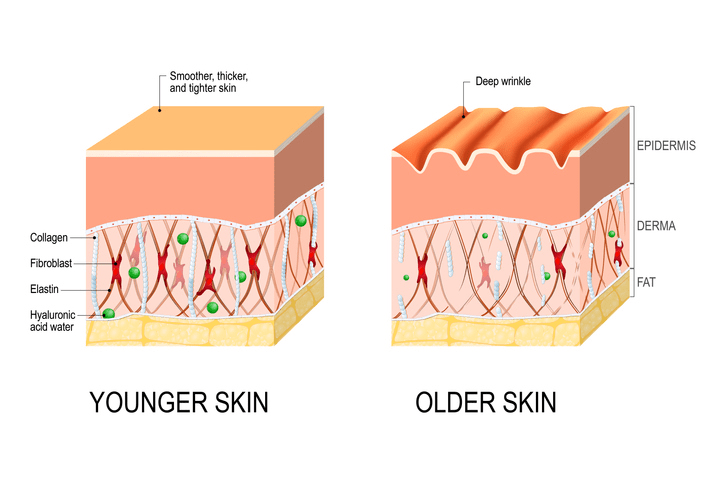
Now the reason for OA in elderly, is that from the time we reach 40 years of age our collagen start to decline, and the rebuild is much slower. In some is slower than others.
Nutritionally, vitamin C foods and supplements, with zinc, drinking adequate water, can slow down the process of collagen decline.
If you are vegetarian and vegan the above vitamin, needs to be taken in supplements to make it slower. Collagen is only in animal products, such as meat and fish. And any products of collagen are meat or fish derived. Greens, salad or any other vegetarian or vegan sources do not contain collagen.

Now, having looked at some of the research for glucosamine and chondroitin, the dosage in studies where it made a difference was quite high, from 800 mg for chondroitin and higher. So if you are taking that, is good to take in a good dosage.
To take extra collagen for the non vegetarian, is worth knowing that there are few types. Our body has about 28 types of collage. The most common ones are Type I, II, III, V and X.
Hyaluronic acid and elastin are part of collagen. Collagen I is most prevalent and important for skin, bone, tendon, cornea and vascular ligature. Type II is found in cartilage and vitreous body (eye). Type III is in skin, uterus, intestine and vessels. Type V is found in placenta (so important for pregnancy), in bones, skin, cornea, hair and cell surfaces (essential for all your cell membranes as a protective layer, yep this is how important it is).
Collagen type VI is also found in bones, skin and cornea, and collagen type VII can be found in skin, bladder, mucous membranes, amniotic fluid and umbilical cord (again this is essential for your baby if you are pregnant).
Collagen Type VIII is found in the skin, heart, kidney, brain, bones, cartilage and vessels. Collagen Type X, XI and IX are found in cartilages.
What food contains high collagen: bone broth, legs and feet of chicken, meat, fish will have higher collagen.
Supplementing your diet with vitamin C every two hours if you are healthy, taking extra zinc, drinking plenty of water as collagen contain and needs water to form.
© Maria Esposito BSc (Hons) R-Nutritional Therapists – NAET – R-Craniosacral therapist – NLP practitioner – PCI NLP Health coaching – Certified Angel Guide – Mindfulness Meditation teacher – The resilient Heart (Heart-Math) meditation and 12.5 hours CPD in Trauma for professionals – M-Bant – M-CSTA – CHNC registered
 Craniosacral Healing /Nutrition NAET/Mindfulness living/ NlP health coach /mind body and soul