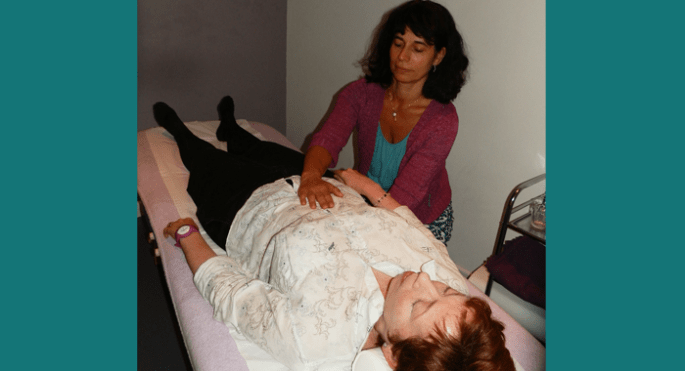
Craniosacral therapy is a subtle and profound healing form. In a typical craniosacral session, you will usually lie fully-clothed on a treatment couch. The therapist will make contact by placing their hands usually lightly on your body and tuning in. The first thing you will probably notice is a sense of deep relaxation, which will generally last throughout the session. This release of tension often extends into everyday life.
Hypoglycemia, is quite common or more common than you think. Some times is due to genetic but most of the time, and especially in the modern diet, is due to what we eat and drink. Especially for young children and teenagers, the modern diet now is full of fizzy drinks, coca cola, red bull (full of caffeine which increases the blood sugar), juices, even the fresh made ones, as there is no fiber, that includes carrots juice.
How would you fill with hypoglycemia, either as an adult or child/teenager?:
Tired
dizziness
lightheaded
irritate
fainting spells
depressed
anxious
craving for sweet or a quick fix
confusion
night sweats
legs weakness
swollen feet (for older adults)
tight chest feeling
hungry all the time
insomnia (especially if eating sugary food before bedtime) (blood sugar goes down quickly and person or child or even babies wake up hungry)
Hypoglycemia can lead to aggressive behaviours and quick change of temper. This can happen shortly after eating sweets or sugary drinks. This is not just when you eat sugary foods or drinks, if you eat white simple carbohydrates such as white pasta and rice/bread, alcohol, lots of caffeine, lots of chocolate, and eat only vegetables as well, without any protein, fat or whole carbohydrate.
The whole carbohydrate, is whole bread, pasta and brown rice, quinoa, barley and whole grains and foods, including potatoes with the skin on.
To have a slow release of sugar, and hence reduce the chance of your child, yourself or your teenager to have bounces of low blood sugar levels, and hence irritability, burst of anger and screaming for no reasons, or sleeping problems, is important that each meal has some carbohydrate, protein and fat.
A lunch or dinner or both, you can have portions of grains, or potatoes or greens for adults that are worried about their weight, with a portion of either fish, or meat, or beans, lentils, chickpeas (cooked with a teaspoon of bicarbonate of soda to soften the shells, so that do not cause much gas).
Fruits are best eaten either with breakfast with porridge of whatever grains is suitable for you, with plain yogurt, a bit of pure honey, some nuts or seeds (if not allergic to).
Snacks in between are apples, pears, with skin on, or mandarins or blueberries with a bit of yogurts, or humus, avocado with rice cakes or whole bread. There are lots of alternative foods out there, but the best way to get all the nutrients you need and more is to get as fresh and without packed food as possible.
To balance blood sugar, you need a good amount of B vitamins, chromium, good fats, fiber and a slow releasing food intake, with avoidance of sugary foods and drinks. As sometimes it is hard to have a good intake of B vitamins, especially now days, where the trend is eat what you want for 5 days and fast for two days in a week. Or avoid food for 16 hours, plus go to sleep and avoid foods for another 12 hours, have a coffee to get you some sugar and wake you up, than have another one later with a sweet pastry or worse. Have red bull (someone in a casual chat while hiking said to me, it is quite good for the heart, it has got taurine!), for the afternoon and evening, well get some chips only and have alcohol for some more energy!
and yes
I would still take and give some multivitamins as well, as if you live in London, is very hard to get a really fresh food that gives you everything, as well as to fight the toxins from the big city, and as vegetables and fruits lose their nutrients by the day, it will be hard for us to get the amount of vitamins and minerals from the food alone. Unless you are lucky enough to live near a farm or have an allotment and a garden, where you can just pick up your vegetables from there before eating it, than forget the vitamins. You must have also a fruit garden and free range animals and chickens for the eggs and …….
My parents moved to the countryside from a town and that was a blessing, as they still grow seasonal vegetables in big vases. I cannot do it in London, I know that some people can, and that is amazing!
Having worked as a therapists from sport massage to Nutritional advice with over reaction of food and craniosacral therapy for the past 30 years, I have found that the majority of the problems stem from either a birth trauma, or even before we were born a trauma that has left an imprint on your parents or grandparents. We all have that, as this depends on where you are from, what history your parents had and what major event has happened in their lifetime, either personal or local or globally.
I know that for many people, COVID 19 has left an imprint, which it means, that might be passed on to the next generation. An imprint is the memory of something, happy or traumatic, that has been stored in the DNA.
We have survived all this years on Earth, as per that imprint. For example if someone in the pre-historic time, when someone witnessed someone being killed by a tiger or killed by another force, than who ever survived got that traumatic imprint and passed it on, to the next generation to watch out for tiger, or snakes, or food that should not have been eaten. Some was passed on verbally or drawing, and others were just imprinted in the next generation in the DNA.
Now, Craniosacral therapy works with body, mind and soul. Any unconscious memory or trauma that has been passed on, can also still affect the person or baby. Usually with babies and mothers is the birth trauma, any other memory will be dealt when the baby is older or ready to deal with it.
With adults, when they start having sessions, the session will bring up what the person is ready to deal with. And with the support of the therapist (Maria Esposito), this will be put to the awareness of the person and dealt with accordingly or let go and transmute into unconditional love.
I always start my sessions with a breathing cycles of unconditional love. Some people during my hiking group, asked, what if I don not what unconditional love is?
Well sometimes that is the case. If you have a pet, or children, you will know what unconditional love is, as they will give that unconditional love no matter how you are with them, till a certain point. Children at some point might also close down if you do not show some love for them or treat them right.
Also with you do not have children or pets, than connect to nature for that. Trees give you oxygen without asking anything from you. The sun shines everyday somewhere in the world, without asking you for anything. The majority will get rain and hence water for you to drink, and to water the food that the farmers grow for you. Unless you are a farmer or you can grow your own food, and in that case, you get the rain unconditionally. The tree will take your toxins from your exhalation of Carbon Dioxide and transmute it, into oxygen for you to breathe. Without them we would not survive more than two minutes!
So you can see how much unconditional love we have around us and how much we are helped without us asking, we take these things for granted.
The polyvagal nerve, is part of the nervous system and the nervous system is part of the brain that will give signal when things are ok and when they are not. In some cases, in adults with childhood trauma, can all of the sudden experience stress related episodes with no recollection of when and where that happen. For most people the talking therapy will be good when they know what the problem or issue are, and often they are resolved. But some stress response or trauma will not be reached just by the conscious mind, or it will take months or even years before you can reach it.
Often traumas from childhood are stored in our body or even cells, and those unconscious traumas, can be triggered at any time in the life of the adults. Quite often with a body injury or illness. Craniosacral therapy allows the body system to feel safe enough to show the trauma, big or small, at the time that the person is ready to deal with, usually when they feel safe enough to share or deal with whatever emotion is attached to that trauma. With mindfulness meditation and heart meditation, the person has a tool to be able to connect with their heart and deal with whatever comes up in a loving space. My work is to connect to my heart and the person heart to reach a stillness where anything is possible, and any healing is allowed to happen in a loving experience. Craniosacral therapy, does not force any trauma out without the person being ready. That is the magical part of this wonderful therapy.
Craniosacral therapy is the only one that will help the nervous system to feel calm, relaxed and safe enough to be able to reach that stress trigger and allow the person to deal with it in a more gentle and compassionate way.
Sometimes the trigger of stress is just that, too many things to deal with and no enough time to deal with them apart from night time, when all is quite and the body does nothing. This means that the stress mode or emotions and feeling can be address, even though the person wants to sleep, they do not manage to sleep well and hence is a catch 22. They feel tired during the day, irritated, get busy and drink coffee, teas, or even worse Bull, which is an equivalent of 4 coffees in a can.
Craniosacral therapy, allows the brain to calm down enough and allow the person to deal with whatever situation they are conflicting with or need to deal with during the day, rather than night time, allowing the person to start having more sleep and be more productive in a day time. For me craniosacral therapy is a bit of magical touch, where the person can enter a state of deep relaxion, without too much effort and getting in touch with their inner wisdom and higher self!
Whole body fascial unwinding week-end workshops is for craniosacral therapists, osteopaths, physiotherapists and massage therapists. This can be done as a Day of practice with myself now. The day practice is only for people who have done unwinding and to strengthen their skill of unwinding. It will be run in north London and depending on how many people will be attending. This is a day of CPD (6 to 7 hours). Price is 95 pounds paid via bank transfer. Contact me directly for this. The day will be led only by me
The week end with in October is gone, but other opportunities can come.
The day will be only for therapists who already know the unwinding.
Below is the week end of October 2023 plan.
What therapists said about this course
“Thank you for the lovely healing weekend, I feel more confident with unwinding”
” Thank You and Douglas for this amazing week-end, I learned a lot, applied some techniques to my clients this morning”
Demonstration of head unwinding
What fascia unwinding will do for your clients and amazing Fascia unwinding can indeed be approached as an active form of meditation. Meditation is a practice that involves focusing the mind and cultivating a state of present-moment awareness. It can be done in various ways, and fascia unwinding can serve as a unique and engaging form of active meditation.
During a fascia unwinding session, the practitioner or individual actively engages with their body and the sensations that arise.
The gentle movements that their system will do naturally when they are engaged will allow their mind, to stop thinking and the movements will distract them from being in their cycle of thoughts.
Here are some aspects of fascia unwinding that align with the principles of active meditation:
1. Body awareness: Fascia unwinding encourages individuals to tune into their body’s sensations, such as tightness, warmth, or subtle shifts. This heightened body awareness brings attention to the present moment and helps anchor the mind in the physical experience. For the body this can be used for trauma, frozen shoulders, injuries once they are healed, to allow the fascia to let go of holding on, emotional and mental blocks and energetic toxic release. Somato Emotional Release of possible feelings and emotions trapped in an area of the body, joints, from childhood. Amazing on baby’s trauma and on children with anxiety.
2. Focused attention: During fascia unwinding, practitioners often concentrate on specific areas of the body, observing the sensations and changes that occur. This focused attention on the physical sensations can help still the mind and cultivate a state of mindfulness.
click here for a different person of head unwinding
3. Breath awareness: Conscious breathing is a fundamental aspect of many meditation practices. In fascia unwinding, individuals are often encouraged to engage in deep, mindful breathing, which can enhance relaxation, promote body-mind connection, and support the unwinding process.
4. Non-judgmental observation: In active meditation, the practice involves observing experiences without judgment or attachment. Similarly, during fascia unwinding, individuals are encouraged to observe sensations, emotions, and thoughts that arise without labelling them as good or bad.
This non-judgmental attitude fosters acceptance and cultivates a sense of presence.
click here to see 1st video of shoulder fascial unwinding on a person that worked with the arms a lot as an artist and stressed about study (Maria Esposito video), the unwinding is intense as their nervous system has been like that for many years.
Click here to see the head unwinding sample (Maria Esposito Video)
5. Release of tension: As fascia unwinding helps release physical tension and restrictions in the body, it can also contribute to the release of mental and emotional tension. By actively engaging in the unwinding process, individuals may experience a sense of letting go, relaxation, and a clearer state of mind.
Engaging in fascia unwinding as an active meditation practice can provide numerous benefits. It allows individuals to cultivate a deeper connection with their bodies, release stress and tension, and promote overall well-being.
Overall, fascia unwinding can serve as an engaging and beneficial active meditation practice, providing an avenue for cultivating mindfulness, body awareness, and emotional support.
Douglas Hutchings bio: BSc (Psychology)/ BPHED (Physical Ed & Management)Craniosacral therapist (15 years experience)— CCST (College of craniosacral therapy, London) Bowen technique (13 years experience) Founder of BodyInMind -Holistic therapies, retreats & healing/meditation workshops .Douglas’s background in psychology (BSc) and sports science (BPHED) laid the foundation for continued study in the field of complementary medicine, which truly links science and anatomy with the spirit/soul. The philosophy of BodyInMind integrates hands-on bodywork, energy medicine and deep listening to provide a catalyst for profound transformation of body, mind and soul.The core principal of Douglas”s work is that EVERYTHING is connected. And when we connect the dots and let go of our limiting patterns/beliefs and trauma in the mind and body, we can really see ourselves and the world/universe in a completely different way to bring forth change and unrealized potential! After having a near fatal fall from 40-50ft in 2007, experiencing 24hours in critical condition and Doctor’s frantically trying to bring his body back to life, he passed over ‘to the other side’ and experienced a completely different reality, one where nothing was separate- all was ONE and perfect as it was. He was given the choice to return to his body, to fulfill his purpose helping others realize that we are whole, connected and here to grow/evolve into our true potential of body and mind and spirit. ’
Maria Esposito BSc (Hons) bio: Working from my heart is my main way of working, which opens up the heart of everyone I work with! I work with a sound scientific background with the healing and spiritual intuition within all my sessions, from nutritional NAET working with allergies, over-reaction to food, hay-fever and more, to craniosacral therapy for babies and mothers trauma, colic and more, adult trauma, COVID 19 tiredness and feeling out of space, to empowering my clients with Neuro Linguistic programming, Mindfulness meditation exercises (becoming present in your life at all times)!Mostly I connect with the heart of babies and people, to find the best solution for their problem, if my therapies are not enough then I will suggest what they can try! I know for the scientific background that our brain is capable of healing ourselves, and this is the greatest gift of being human, finding one of the possible solutions for the person coming into my sessions, is part of that!
All practical workshop:
The entire workshop will be a deep and experiential way of healing yourself and your clients with various tools. Note down how you feel at least a day before the workshop starts eg: Physically, mentally, spiritually (if in tune with it), is your life stuck somewhere for work, family or play? note down as much as possible. As this workshop will be an amazing healing time for you as a person and therapists, you will be asked to note down how you feel at the end of it, and two weeks after. You can share with all of us or is for you to notice!
During the week-end workshop we will go through:
Saturday: Meditations throughout the day of various methods including own self fascial unwinding to teach to your clients as well as other resources for yourself and your clients.
– Unwinding of: Arms, legs, hips and feet. All practical experience.
– Discussions, questions and answers will be allowed during the entire week-end of the day and how we are within ourselves
Sunday: Meditations throughout the day
– Unwinding of head and any other unwinding practice from yesterday workshop
– Full body unwinding standing.
– Discussion, questions and answers and end of the two workshops
Video demo links for each unwinding will be sent after you completed the week end for you to re-visit.
CPD certificate will also be emailed to you after you attended the workshop with any invoice for the last minute booking.
These workshops will be an introduction to a deeper level of meditation, unwinding and healing, that can be taken to a next level of healing with Douglas Hutchings new body mind healing certificates of upper levels. This week end is level 1. More information on the week end about reaching other levels.
The end of the workshops is the beginning of your practice, you can try with each client and family/friends. Practice is the key, and meditation to get within your inner stillness is the lock, to add it to your own tool kit as a therapist.
We will be asking people who come by car (parking is free over the week end), to bring their table if they can with pillows and blankets). Thank you very much.
Teas and coffees will be provided with some snacks. Bring lunch with you, there is a fridge to store your lunch. There are two coffee bar nearby and a small local shop, so not much to buy around but something.
Price for both is 240.00 paid via bank transfer to Maria Esposito TSB code 308472 account 24603860
Invoice and CPD will be emailed.
Payments via pay-pal is £ 5.00 extra, any request of payment in this way, just email me and I will email you an invoice through pay-pal.
Without movement, there is no growth
Without love, there is no peace
Without awareness, there is no true path
Without light, there is only darkness
Without peace, there is no healing
Without Earth, there is no human
Without soul, there is only physical body and no humanity
Without forgiveness, there is no peace
Without opening our mind, there is no awareness
When we open our eyes, mind, ears and heart and speak our truth to ourselves and others, there is understanding, awareness, forgiveness, peace and an INFINITE AMOUNT OF LOVE. Ariami Marpisa 08/11/2018
New: Support Facebook craniosacral therapy group just copy and paste to see what is about, any craniosacral therapists including students can join: https://www.facebook.com/groups/1367031110649058/
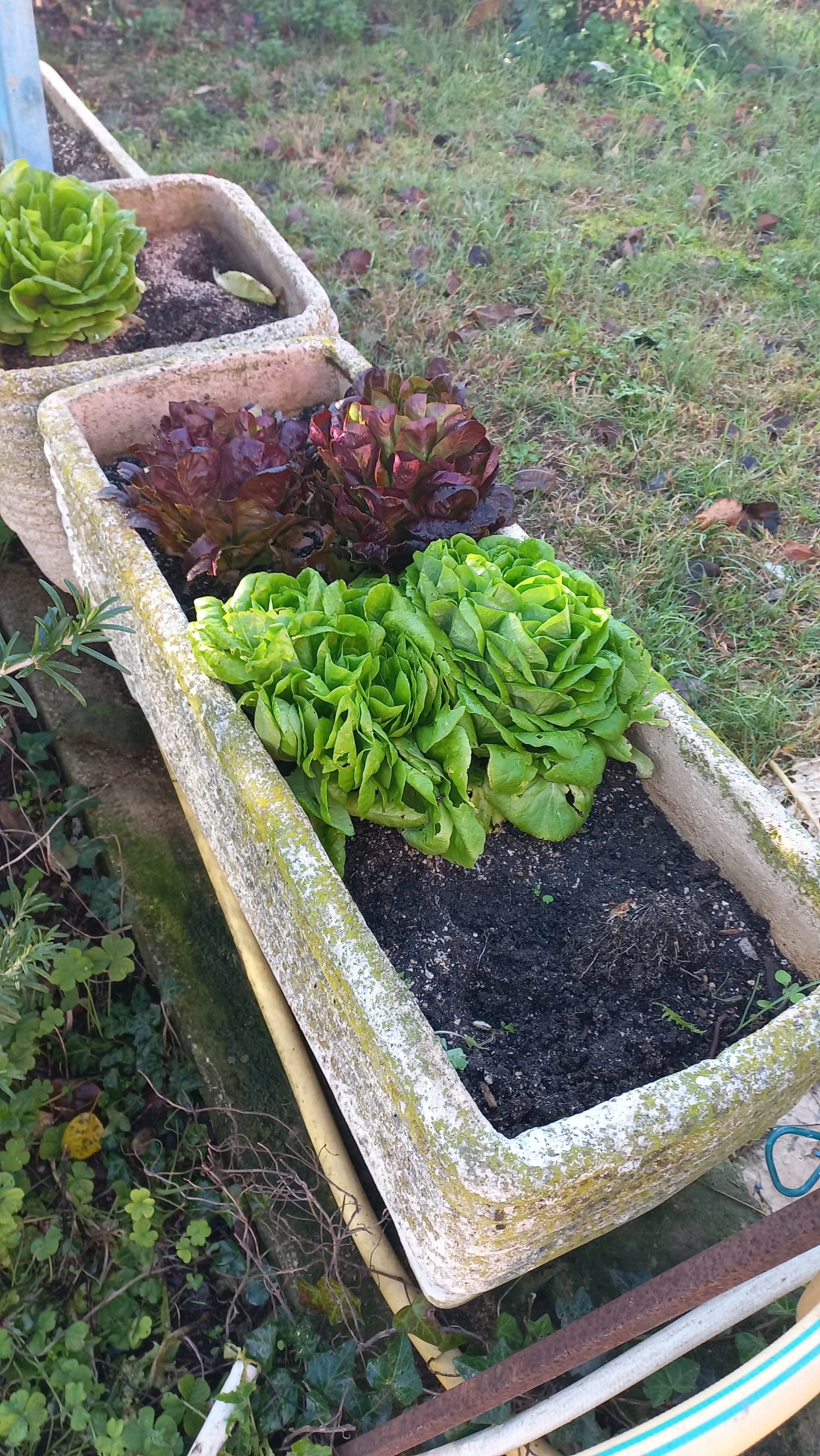
I am so thankful that after three years I can still pass my Christmas in Italy with my family. Lots of things have changed, people do different things, some with family and others by themselves travelling a bit more. There is still a lot more fears attached to Covid than in other places, and any new news about it becomes an extra worry. In pharmacies people still wear a mask and you feel like the odd out if you don’t. There was a new strain of flu going around and young and older people felt worse than ever with it. This is due to the immune system not being challenged for 3 years. My parents, even in their old age are always worried about lack of food, so they buy more than they will ever eat in one week, and they love to plant seasonal vegetables, even in big pots. When they were given big pots as a gift, they were so happy that they can manage to plant their seasonal vegetables without much effort, as the planting them on the land would be too much for them.
Green and red salad
They try their best not to take extra medication that they can avoid, even though they might take some that are essential. Both my parents were tested high for cholesterol last year, and of course, they were given by their GP the usual medication to lower it. They both did not react well with it, and I mentioned to try to see if with Benecol, as I knew that it would work, would go down enough for the doctors to be ok with it. I also suggested to take fish oil in capsules for both of them, for two reasons, one for the brain, and the other to reduce tri-glycerides, which again they both had a bit high. They have been taking it since the summer, and I asked if their cholesterol was low. They said they were so happy with it, as the cholesterol got down so much, as well as the tri-glycerides, with the fish oil. To be fair the doctor in Italy did suggest the fish oil for that too, which is good. They have not told the doctor about the Benecol though and the reason for being lower. My mum had a heart operation 6 years ago so she had to have a lower cholesterol.
The main ingredients that is beneficial to reduce cholesterol in Benecol is plant sterol ester, and I would not agree with all the ingredients in Benecol, but for people, like my parents that would rather have a food that keep taking pills, this is the 2nd best option.
Freshly squeezed orange juice
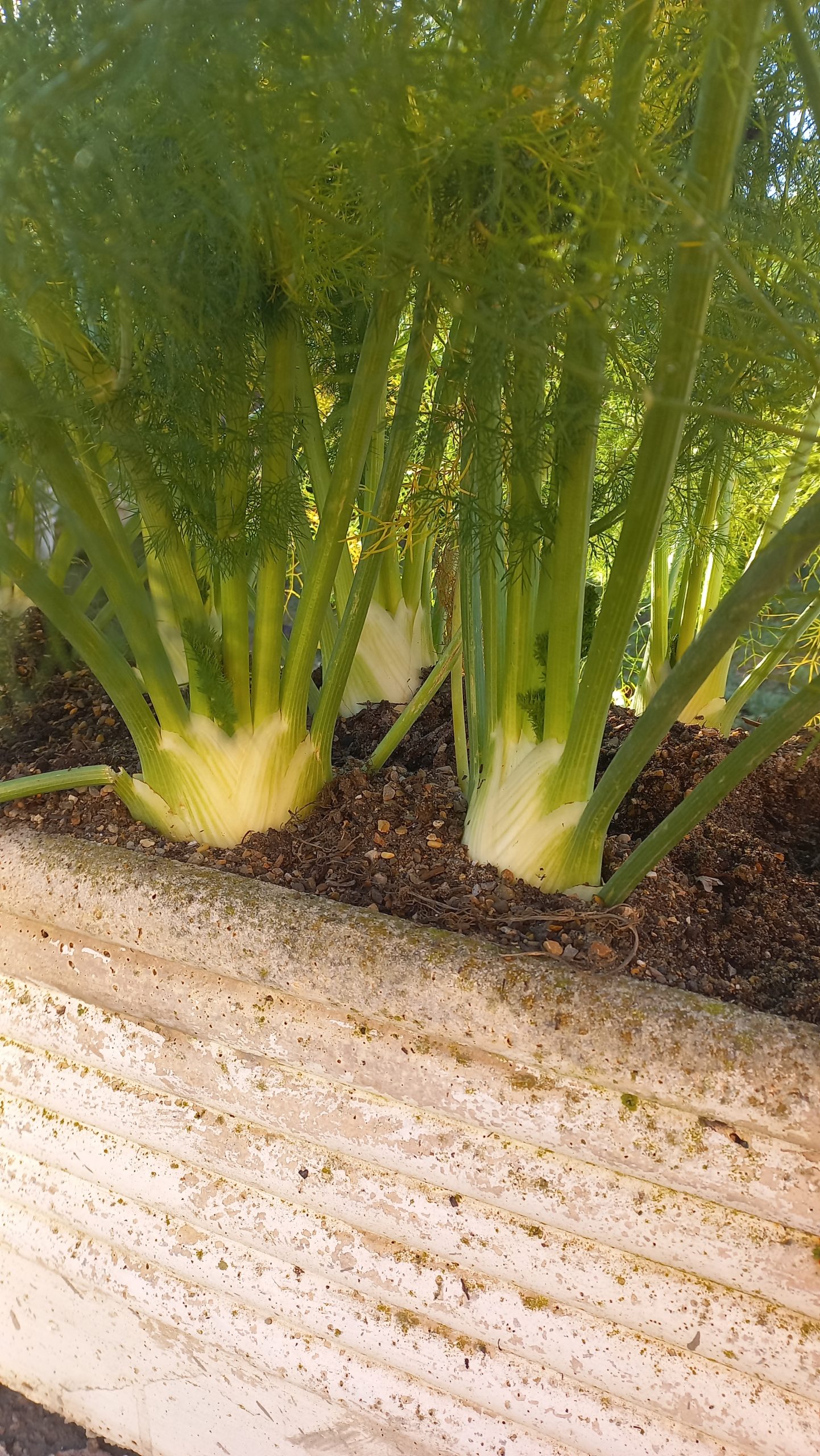
The best one is to take plant sterol and phytosterol in capsule as well as combining the dietary changes. My parents do eat their own seasonal vegetables, and fennel, endive and salads, as well as broccoli, chicory, and broccoletti (found in Italy but not England), are part of their stable diet, as well as beans, lentils and fruits. Green leafy vegetables, sage, nuts contain plant sterols as well as the food above.
We were so fortunate to have my mum make us freshly squeezed orange juice every morning, that is because a couple of kilos of oranges would cost two Euros, compared to 2 pounds for a pack of 5 oranges here. They would also eat good nuts such as pecans and walnuts as snacks, which would help with having higher good fats as well. At their age, they eat less meat and hard cheese, due to my insistence, less frying and more oven baked food, as well as using only olive oil if any food needs to be cooked. Using their own olive oil from their own olive tree only raw with salads and food.
If you do have high cholesterol and high tri-glycerides, you need to consider the entire life style change as well, to make the most of it and get things sorted out for good, and that would include walking 30 minutes, twice a day, to keep your circulation going and keep your heart pumping well.
Some of the plant sterols in supplements might cost as much as the Benecol, so maybe worth getting that instead and you get more for them, like a monthly supply. Fish oil with high EPA and DHA, again get a good brand as that would still be worth it, and even if you eat fish, you might not get enough from a couple of times that you eat it a week. At least you can get the plant sterols and fish oil till your tests come back normal and then keep going with the dietary changes and walking to keep it stable, and maybe just get the Benecol every now and then to keep it down.
Headaches and Migraines are very common from children having migraines to adult. The triggers and cause of migraines are different for everyone. Below are some of the possible triggers:
Fasting
Food
Hormonal – pre and menstrual cycle –
Sleep – oversleep or lack of sleep, change of time of sleep and week end different sleep
Activities
Stress – due to high demand job, conflicts, arguments, family problems, society, aggressiveness
Emotional such as crying and anxiety
Environmental – hay-fever, allergies, pollution, wind, rain, cold weather, hot weather, dust, cigarette in the air, cigarette smoking, air pollution, perfumes, strong perfumes (due to possibly liver detox slow, cleaning products, gasoline,
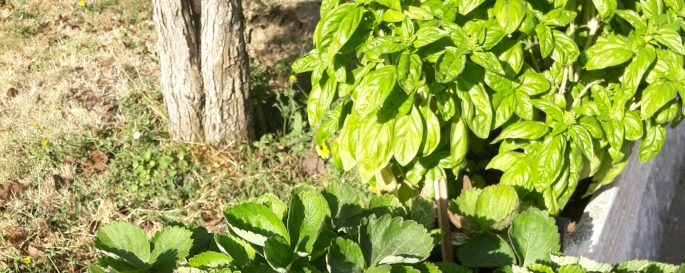
basil
Certain foods that trigger more than others are:
Chocolate
Sausage
Allergies to foods and drinks
Salami or processed meat
Monosodium glutamate (from soy sauce and Chinese food), as well as some vegetables cubes and olive (check labels for any processed food).
Cheese, some hard cheese and fermented cheese more than others
Dairy milk
Aspartame in certain foods including some chew gums, fizzy drinks and processed drinks
Alcohol
Red wine, depending on the amount of sulphur and additive that they have, women more susceptible for the red wine.
Coffee is a catch 22, as caffeine helps reduce the headaches and some migraines and for some people the withdraw of coffee can trigger a migraines or headaches
Citric fruits
Ice creams
Nuts
cinque terre. peace
What worked in the research studies is a combination of Magnesium citrate (as most absorbed) at about 350 mg for an adult to 600mg a day, combined with a good multivitamins and minerals during the day and CoQ10.
Magnesium is found in drinking bottled water, all green leafy vegetables, bananas, nuts and seeds. For some people though food intake of magnesium is not enough, depends on their triggers, stress level and the way their own bodies deals with magnesium.
I would suggest a good multivitamin from any of the good brand and the CoQ10 from my experience is G&G brand, you just need one capsule a day. Magnesium citrate or a mix of magnesium from BioCare powder as you can increase or decrease your magnesium intake according to your needs and at the start of your headache/migraines and during, as well as investigating the trigger of your headache and eliminating it. If you are taking any prescribed medications do consult your doctor before taking any magnesium, especially if you have had a heart surgery or any heart problems.
As a therapist I would treat any possible food trigger with the method NAET and combine the treatment or even by itself with CRANIOSACRAL THERAPY, MINDFULNESS MEDITATION and HEART RESILIENT meditation, as well as Neuro-Linguistic Programming tools for old emotional and learning or positive resources, to reduce the stress level and the muscle tension, as well as allowing the system to flow nicely.
This is combined with nutrients and supplements if that is essential as well.
Reference:
Fukuil et al. (2008). Migraines triggers factors. Arq Neuropsiquiatr 2008;66(3-A):494-499
Gaul et al. (2015). Improvement of migraine symptoms with a proprietary supplement containing riboflavin, magnesium and Q10: a randomized,
placebo-controlled, double-blind, multi-center trial. The Journal of Headache and Pain (2015) 16:32.
Izabela Domitrz and Joanna Cegielska (2022). Magnesium as an Important Factor in the Pathogenesis and Treatment of Migraine—From Theory to Practice. Nutrients. Nutrients, 14, 1089. https:/doi.org/10.3390/nu14051089.
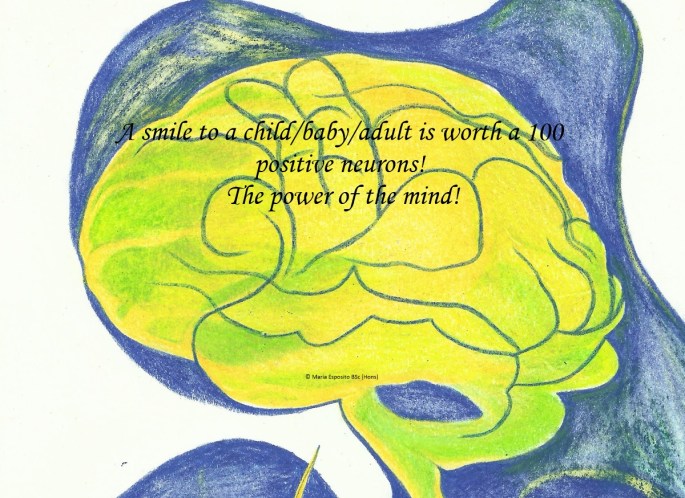
From reflux, during pregnancy, to tiredness and relaxions for anxious mothers to babies and mothers birth trauma, Craniosacral therapy is a gentle but very powerful and magical therapy that allows the entire body system to settle and balance up. This will reduce, anxiety for the mother, and stress mode, or vagal irritation for the baby when they are born. In turn for the baby means, less colic, less irritation or fear mode, less reflux, improved breastfeeding, more peaceful sleep for baby and mother. craniosacral therapy is a gift of a lifetime for your baby, as it will improve the mother and baby connection, a HAPPY BABY, will increase the good positive neurons forming and good memory that will positively affect them for their lifetime!
For babies with a small amount of birth trauma just few sessions is enough to settle them in a balance way. This improve the connection after a tongue tie for a good latching and hence feeding well.
For the past 30 years, I have heard of mothers saying that their baby do not poo for few days or even a week or more at the time, and they have been told that it is normal.
After just one session and suggestions of babies infants probiotics, babies poo few times a day, as they should do.
The foundation of good bacteria from the start of the baby’s life, will set them for a lifetime of good intestinal tract. There are plenty of research now connecting the gut health with the brain healthy development of the baby in their adult time.
The past 50 years with the use of too much anti-biotics, which at times, they do save lives, but others were prescribed as sweet, have seen the stripping of the good bacteria, with an increase in gut dysbiosis, Irritable Bowel Syndrome, and other Irritable Bowel disorders. Now that we have learned how important our friendly gut bacteria are from the start, let’s keep them in and start from the beginning!
Give yourself and your baby the gift of life, with craniosacral therapy. For the mothers and adults, the change is a bit more slow, but worth starting and carrying on!
(taken from) The Fulcrum, Issue 82 January 2021click here for original article
I find that the more I follow my intuition and connect to the heart, serving everything that makes my client whole and integrated, the faster they heal and in so doing transform their lives and mine.
Having held CST workshops on how to deepen one’s practice for the past five years, I was recently invited to write about the journey that led to teaching. Hesitant at first about how to put my thoughts and experiences in words, I was reminded that there seems to be a hunger to understand ‘grounding’ more deeply and learn to apply it to our daily lives, and a desire to develop a more intuitive, heart-centred connection with ourselves, our work and our clients. In recalling my own efforts to learn these things, and the wonderful transformation when I was finally able to apply them to myself and my practice, I’d like to share my journey.
A massage course led to further qualifications in sports massage, reflexology, nutritional therapy, muscle testing and Nambudripad Allergy Elimination Techniques (NAET). I found that I loved helping others to resolve their problems and pain and have been a holistic therapist for more than 28 years.
Informed by anatomy, physiology, nutrition and Eastern approaches, I spent many years helping clients and yet I still felt a need to meet them more holistically. My first experience of CST was when cranial-osteopathy was recommended for my son’s recurring colds and coughs. The process that led to the release of his birth trauma made me so curious that I eventually enrolled to study CST at the College of Cranio-Sacral Therapy (CCST).
My scientific and therapeutic training was comfortable with the physical focus of cranial-osteopathy but I found myself unsure about the whole-system approach that was taught at CCST. Nevertheless, during treatments and practical sessions, I felt much-needed changes occurring within me and experienced profound results. Whatever it was, it was working. Still, it was challenging; I was very good at the physical and scientific aspects of CST but not as good at grounding and working off-body. I became increasingly conscious of being ungrounded, of not being fully present in my body, especially in the mornings and evenings, which led to exhaustion. Not able to ground well, I did not pass my practical exam. It was the first time that I had not succeeded in something that I had put effort into and it was difficult to accept. So, as a positive and stubborn person, I set out to understand everything I could about grounding.
‘Just Ground’
A healer brought a fresh perspective on grounding that helped me understand the concept of being fully present and embodied, and why I was ungrounded in the first place. At the same time, Octavia Kelly, a CST colleague, brought her experience and insight to my training. I am very thankful to both and for my failure to pass the practical part of my final training assessment, as my journey would have been completely different otherwise. I would not have understood the concept of grounding as deeply as I do now and how essential self-healing is to our work.
I realised that the more grounded I was, the more I felt calm, focused, alive and less tired throughout the day.
Developing Intuition and Heart-Connection
My interest in intuition and heart connection first began when I started to practise CST in combination with the NAET method of treating allergies. Many clients began sharing what they saw and felt during treatments, which was often beyond my wildest expectations of what was possible or logical. My natural curiosity led me to explore this. Hence, when I tuned into and followed a client’s whole system during a treatment, I often saw images, for example, a femur or tibia or fibula in an incorrect position, and sometimes I would feel pain in my own leg, knowing that it was not mine. This would lead me to ask if there was a problem with the limb that presented to me, and I found that the answer was always ‘yes’ when I worked this way. So, I started to mention more of what I felt or saw during treatments and the answers often confirmed where a problem that affected their body and sometimes their mind had started. If my hands felt something hot or cold, or if my clients spoke of seeing images and/or colours, I would follow and see where it led.
I began to attend healing classes to become more grounded. The technique that helped me become more embodied and less stuck in my head (with my logical, scientific mind) was to visualise that my legs and feet were weighed down by anchors. Thai Chi and Qi Gong classes, where grounding and body awareness were practised in every class, and swimming and Pilates classes, also helped me to become more embodied. After a few months, I was grounding well enough to pass my practical exam, and a door opened to a new experience of life, professionally and personally.
I realised that the more grounded I was, the more I felt calm, focused, alive and less tired throughout the day. I could see clearly what I wanted to do in my life, and I experienced inner peace for the first time. Reaching a steady state of inner peace is not an easy thing to achieve; it takes time, especially when life challenges you. Still, the more whole and grounded I became, the lighter I felt, and when life ungrounded me I recovered my grounding and balance more quickly.
‘Just ground’ became my personal mantra and after a few years of experiencing the benefits of this amazing change and self-transformation, I wanted to share this simple way of being. This led to developing my CST workshop ‘Grounding and Healing Tools’ and, judging from its popularity, it seemed to fill a gap for many therapists.
This workshop is a reminder of how far I have come on my own journey in grounding and in my own life, and it is a privilege to pass on what I have learnt to others who are ready to understand the concept more fully and embrace their potential. Through teaching grounding techniques I hope to remind, reconnect and deepen practitioners’ understanding of why grounding is so powerful, transformative and important for ourselves as individuals and therapists, and for our clients.
I have also found healing tools useful in my practice. Healing, defined as ‘the process of making or becoming sound or healthy again’, resonates with me and I feel that my work is part of a healing process. The danger is that we can become vulnerable to our clients’ issues, and if not careful, can internalise them. As part of my toolkit, healing techniques help to protect me from holding on to my clients’ emotions and feelings. I find that I feel much more exhausted if I do not combine CST with these tools, and my hope in sharing them is to help others stay protected, resourced and energised in their work.
I found that the more I followed my intuitive sense without fear or judgement, the more accurate my treatments became.
Fascinated by this process, I started consciously to develop my ‘right brain’ – thought to be the most creative and intuitive part of our body. Inspired by John Upledger’s experiences in the ‘Inner Physician’ and ‘Somato-Emotional Release’, I found that the more I followed my intuitive sense without fear or judgement, the more accurate my treatments became. I then read ‘The Biology of Transcendence’ by Joseph Chilton Pearce in which he describes the heart as the fifth or highest brain. As a result of this study, I now practise CST with intuition and heart-connection.
Developing heart-connection transformed my practice. The first time I understood this profound power I was treating a client who shared something I was simply not able to understand. Beyond my comprehension, the only way I could follow and support my client was to let go of judgment, fear and worry and connect to unconditional love for them and their journey. I focused on just being there, trusting and allowing the whole system to do what it needed to do, following where it led. This, of course, is the principle of CST – observe, listen, allow whatever needs to unfold and integrate. Yet, in my experience, we all come to a profound recognition of this truth in different ways.
As I deepened my intuitive perception, following where the client’s system led, it felt natural to share with colleagues, to help them strengthen the intuition that many already experience. I felt that some just needed guidance or reassurance that whatever they were experiencing needed to be followed and taken into consideration for the benefit of their client’s whole system, health and deep healing. The workshop ‘Integration of the Self, Strengthening Your Inner Intuition,’ grew out of this desire to help therapists grow further in their knowledge and awareness to push beyond their comfort zone while remaining sensitive to their boundaries.
Thanks to my inner curiosity, my therapy practice has evolved far beyond my expectations. As I have sought ways to deepen my connection to clients, I have come to realise the power of working from our hearts is essential to serving them in the best way possible. Focused by grounding and guided by intuition, the unconditional love and peace that is inherently present when we are led from the heart enable us to grow both personally and professionally. It is this truth that I wish to share with others.
The Fulcrum, Issue 84 September 2021click here for the full link to the fulcrum
When I first started working with a heart-centred connection, my practice was transformed. I found that working from the heart enabled me to connect with my higher self and strengthen my intuition. Clients commented on the treatment experience and the more I nurtured my heart connection, the more effective my work became.
Yet, developing heart connection was not easy or straightforward. There were times when the connection was open and grounded, spacious and flowing. Other times I resonated with painful emotions and experiences. Questioning why this could be so led me to recognise my own emotional pain and unconscious fears and accept my need to heal.
The self-healing journey takes many forms and different paths. Each one of us will need to find the best way to acknowledge, recognise and heal from our emotional pain and fear. Here, I will share my own journey, experiences and observations before recommending useful tools and techniques that may support self-healing.
A Healing Dynamic
From personal experience and from talking with others, I believe that quite often therapists attract clients who have experienced similar pain. It seems a case of ‘like attracts like’ and the resulting dynamic seeks resolution for both client and therapist.
Around ten years ago, clients began coming to me with symptoms and experiences rooted in childhood pain and trauma. I found that I often resonated with their emotional pain and, as I began to explore this, I realised that I carried similar experiences. My acknowledgement and awareness of this allowed space for my own early trauma and, as the memories returned, I accepted that I too needed healing.
Acknowledgement was the beginning of my own healing journey and as it unfolded I recognised and accepted the fear that had been part of my life since early childhood.
Freedom From Fear
During the past ten years of treating clients, including babies and parents, and myself, I have become aware that fear is one of the most prevalent emotions, often hiding behind others. Fear can stem from emotional or physical pain that we have suffered in the past. It can be unconscious, buried so deeply that it influences our thoughts, feelings and actions without us really being aware of it.
The more I healed the more my true self emerged
Feelings of anger, deep anxiety, depression and overwhelm, and behaviours like lashing out, withdrawing, addiction and self-harm, can all stem from fear. They can stem from childhood experiences, our early relationships, our upbringing, our education, our society, from the way we were taught to deal or not to deal with emotions, and be triggered by the things we watch, books that we read, from family, friends, colleagues or people we admire.
Expressions of fear are seen now more than ever. For the past year and half of the Covid-19 pandemic, global fear of the unknown and the stress of uncertainty has impacted many lives, including our own. Throughout, fear and worry about the mental and physical health of loved ones and friends, about jobs and finances, have been pervasive. In some, isolation from and/or loss of loved ones have left deep emotional trauma. In others, fear and worry converted into anger and frustration with devastating impact for partners and families. These experiences may impact not just the people directly affected but also future generations
The Question is How Do We Move Forward, Individually and Collectively?
I grew up with parents who were born at the time of the second world war and fear was a constant factor in their lives; fear of not getting enough food, fear of getting hurt, fear of not having enough money to support the family.
In myself, I believe that this legacy of fear manifested primarily as self-reliance. I became a ‘doer’, generally resilient and solutions oriented when dealing with my worries, and proactive about controlling my life and pursuing my interests in health and healing without dependence on others. However, as I shared in my previous article “Transformation’ (Issue 82), it wasn’t until I started my CST training that I realised how ungrounded I was, and how easily fears and worries unbalanced me.
So, part of my healing journey has been to free myself of inherited and acquired fears, unconscious and conscious. The more I healed the more my true self emerged – a more grounded and positive individual, searching for ways to deal with life and emotions. I supported this new self-awareness with personal craniosacral sessions, energy healing, and meditation, ultimately leading to a different level of being that has enabled me to move forward with a greater sense of energy, direction and focus.
Growth Through Healing
The experience of recognising and accepting my need of healing taught me that as therapists we are still vulnerable and need to deal with all that we carry and hold; without doing that, there is no growth or expansion as a person or as a therapist. When we think that others are in more need of healing than ourselves, and shut our hearts to our own pain, we deny our own healing.
This is not to say that we can’t help others until we have healed ourselves. Yet, with self-healing, I believe we become more effective therapists.
It is my belief that the very act of opening our hearts to serve and help another person creates a healing dynamic. When the therapist connects to their heart first, acknowledging their emotional pain and fear, self-doubt and insecurities, the treatment becomes a powerful healing tool for both them and their client.
HEALING STRATEGIES AND THERAPEUTIC SELF-HEALING TOOLS
The self-healing journey is different for everyone, but it shares the same starting point – an intention to heal yourself of conscious and unconscious emotional pain and fear, and then finding the best support for that process.
My own journey to self-healing taught me that a mix of therapeutic and practical tools are useful. Some of the techniques that have helped me include:
Treat yourself: I found craniosacral sessions and energy healing helped me connect with the resources I needed to heal. And, I found that even during the worst times of the pandemic, when I myself had Covid-19, CST and meditation were the best tools that I had to resource myself and let go of personal fears and worries. My suggestion for therapists is to have regular CST treatments. And, if you become aware of or triggered by a reflected pain and/or fear during a treatment, it is worth exploring that in supervision or with another therapy.
Meditation: Learning to meditate is almost an essential part of a therapist’s growth and development, helping to ground, be centred and present. Through meditation, I learned to connect to my true heart; by breathing into it with intention, I can access and feel the infinite love and peace that is there for us all at any time. In this space, the solution for resolving your fear might come up easily. Also, meditative breathing techniques down regulate the nervous system, calming the mind from worries and fears. If you find it difficult to meditate at stressful times, there are many apps that provide guided meditations and breathing techniques.
Cultivate self-awareness: A type of self-healing is to recognise your own emotions and thought patterns and how they shape the way you think and behave towards yourself and others. A talking therapy can help you understand yourself and equip you to deal with any painful or traumatic emotions and memories that may come up.
Feel the fear: About 20 years ago, I read a book by author Susan Jeffers called “Feel the fear and do it anyway”. While I no longer remember the specifics, the title has stuck with me, reminding me about the importance of intention and readiness in letting go of fear; about how empowering it is to acknowledge fear and choose to overcome it.
This is relevant in our present situation where many feel strong anxiety about returning to work or social environments, and a question that you could ask yourself is, ‘what would I rather do, live my life with a job that I love, or freeze and stop living for the next few years?’.
It might sound obvious but just asking it of ourselves – of our system – can help us see, understand and choose to overcome what is blocking us. Once we can see, feel and name our fears, we can apply our therapeutic tools to let go of them, freeing us to move forward.
NLP: As a neuro-linguistic practitioner, I offer some NLP techniques for certain CST clients who I feel may benefit from it. I often use a technique called “time-line technique”, where the client makes a guided journey to the first time they encountered a specific emotion, e.g. fear. Usually, it is a formative emotion that has been present from birth to six years old, and I ask the client to suggest different resources for dealing with the event that triggered the specific emotion. This technique can be profoundly empowering and the resources can be accessed at any time the original emotion returns. It has had a major impact on many of my clients, and can be done online or face to face when treating, or as a self-care technique once it has been learned.





 Craniosacral Healing /Nutrition NAET/Mindfulness living/ NlP health coach /mind body and soul