
Irritable Bowel Syndrome – What can you do? Dietary intervention and more I have worked with people with IBS for the past 20 years, with nutritional therapy and for the past 15 years with the method NAET to tests and reduce the over-reaction to food and the more. IBS is quite often over-looked by the conventional methods, as if they do not find any bacteria or viruses, there is nothing pretty much that they can do. IBS can be the cause of stress, leaky gut, bacteria and viruses as well as food over-reaction. With the leaky gut syndrome you pretty much over react to many foods, as the food group that you eat is not digested or broken down into nutrients and then absorbed through the intestinal tract, by tight junctions. The tight junctions, which allow only nutrients in, are too open, either as a results or stress, medications, too many antibiotics, or a gastroenteritis that has eliminated your entire friendly bacteria, hence caused a dysbiosis or a higher un-friendly bacteria that would cause more damage to the gut lining. During the first consultation, I take a details account of your health, test with NAET method click here to read about it, and suggest food to eliminate for the time being till we treat with NAET and supplements to support the health of your intestinal tract for the time that we treat with NAET. During the follow up, whatever allergen you tested positive during the first consultation, will be treated, one at each session, and the follow up combines craniosacral therapy to settle your entire system into the new being. Both therapies combined are very powerful healing tools for the body, mind and soul. The person experience can be as they need to be, and at the end of the sessions, their intestinal tract and their life has changed positively to move forward. There are certain times that NAET method needs more treatments for the same things, such as for nuts (not for IgE treatments) or gluten intolerances, as well as lactose intolerance which is more about a lack of the enzymes to digest these two components. For the rests, including hayfever (treated only during the winters after the first main food groups and nutrients that showed up are treated), the improvements and elimination has had amazing results. For the eczema results also look at the pictures of one of my past clients who had the results within 6 months of her treatments with NAET. Her children had a similar long lasting results as well. click here for the pictures. Here is a link to my e-book: Clinical experience of Irritable Bowel Syndrome – Gut-Brain axis versus Brain-gut axis. click here to order the paper book version on amazon.co.uk or the kindle version. The book contains the following information: What is IBS? What are the main triggers? Allergies and Intolerance what is the difference? What can you do with your diet to change things around? What supplements can you take to change the symptoms? My clinical experience with the condition, which include NAET, nutrition and Craniosacral therapy treatments as well as healing.
Irritable Bowel Syndrome – What can you do? Dietary intervention and more
Tag: gut-health
Short Chain Fatty acid for your intestinal tract health
As Nutritionist, we have known for a long time, and at least I have since my University training more than 26 years ago. The health of the gut is very much an essential part of all our health, including the brain, hence the mental health of a person. It starts from birth, from picking up your mum’s bacteria, if it was a natural birth, and if not, from being breastfed, and if not from all around you. Obviously, from a natural birth (not water birth as such, as still is a doubt if the bacteria gets washed out with the water). In natural birth though again, depends on your mum’s vaginal bacteria. Sometimes I recommend to give friendly bacteria to babies, when mum’s might not have supported their friendly bacteria through the diet, or if they have taken antibiotics for any reason or another while pregnant.
Now, we all have our unique microbiome and hence that is what it will grow from the start. And the we know that the first 1000 days of life (Swansey study), are the most important for populating your babies and toddler microbiome. If for any reason, such as antibiotics have been given or taken during pregnancy or lactation, your baby has been born through a C-section, then, it is possible that instead of the good bacteria, the more non-commensal bacteria that could do more harm than go, will thrive.
So the best next thing that you can do for your baby is giving some Bifidus baby infantis to support the proliferation of their good microbiome, and stop the growth of yeast or other non commensal bacteria.
Babies have more Bifidus bacteria, which feed on either the mother’s breastmilk or bottle fed milk. From 6 months, after you start adding more food, the Bifidus that feeds on milk, start to go down and more of the lactobacillus and other good bacteria start to grow. Now, it depends on how you start your baby diet, if you start on more sugary foods, such as fruits, then, the yeast bacteria can overgrow, and your baby might start getting the taste buds for sweet. If you start on more vegetables, than, the bacteria that feeds on vegetables grow and are better. Also in this way, your baby will not crave more of the sugary foods later on.
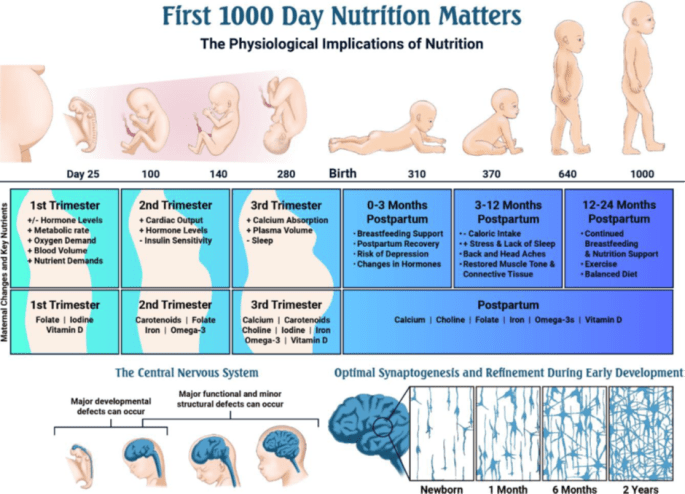
There are lots of weaning thoughts and diet out there, just remember, that your baby does not have teeth and the digestive system is not fully developed till the age of 14 years! Yes 14 years, for the liver, the kidney and the entire intestinal tract is formed. So make sure that more of the good food is ingested than the rubbish food. It starts from you and when they are weaning as well. Click here to read what I suggests, and you can make up your mind of what is the best for your baby as well. Ask your mum, if you turned out really healthy, what she weaned you first!
To feed more of the good microbiome, such as the acidophilus and Bifidus bacteria, they need to feed on food that they can eat. The by product or the elimination of their feeding, is fuel for the repair of the intestinal tract.
The intestinal tract, needs repairing every 3 days or so. So they need food every day, to do you a lot of good.
And as we know the healthier the intestinal tract is, the healthier your mental status! Lots and lots of research on this now.

What food does increase the short chain fatty acid (SCFA), which is the food that the bacteria eat to repair your intestinal tract. The SCFA are essential for the repair of the intestinal tract, as well as, reducing inflammation, support the integration of the gut barrier, preventing undigested food to enter the blood stream and hence reducing the chance of allergic reaction to normal food, and much more.
All in fermented food:
Butyrate in oils, butters and fats, beans, legumes, fruits and vegetables, milk, onion, garlic, avocadoes etc, whole grain fibers increase short chain fatty acids, such as brown rice, quinoa, apples, bananas, broccoli, carrots, spinach kale, kiwi, mushrooms, any green leafy vegetables, dandelion greens, endive and more. (and yes, some foods are off in the Fodmap diet)
Acetate, all fibers, but more with apples, pineapples, strawberries, berries, grapes oranges
Propionate in all the above plus pears, oat and barley, brown rice, legumes, chia seeds, chicory root, asparagus.
Whenever you or your baby, toddler, child, teenager, needs to take antibiotics for any reason, take some really good friendly bacteria, such as Bifidus and a combination of lactobacillus, so that they fill the gap that has been left by your good dead bacteria, till your own good microbiome, grows back again. The probiotics that you buy might stop growing after two months, but they saved the seat for your own microbiome to regrow after the antibiotics.
If you are taking any medication, is possible that you need to support your intestinal bacteria with the bacteria that you buy or you can make your own kefir, if you are good at doing that. If you are an Athlete, you need to support your gut microbiome with extra microbiome, as excessive exercise will cause inflammation and leads to a reduce good microbiome.
If you frequently need to take anti-inflammatory, also you need to support your intestinal tract, as well as if you take steroids for any reasons, or extra hormones, such as in HRT.
Always promote your good bacteria with the food that contain the SCFA above and you will feel much better than anybody else that does not support their intestinal microbiome!
Read my Book, “Clinical experience of IBS” by Maria Esposito BSc (Hons) find it on amazon.co.uk
 Craniosacral Healing /Nutrition NAET/Mindfulness living/ NlP health coach /mind body and soul