Cranio-sacral therapy for mothers and babies (John Upledger)

The following from  John Upledger book  “your Inner physician and you”. It describes in his experience the benefit for CST during pregnancy and the connection between the mothers and the baby. “If Cranio-Sacral Therapy (CST) is used for the mother during pregnancy, much of the physiological stress can be eased. The muscular, connective tissue and bony adaptations can be facilitated. Through the use of CST, combined with SomatoEmotional Release (SER), many of the emotional issues that may be related to pregnancy can be resolved. My feeling is that the emotions of the mother are ABSORBED by the fetus in the uterus” (pg185, “Your Inner physician and you”).

In my experience with the above statements I have felt the same, especially with the emotional related issue, which have been resolved after 1 or 2 treatment after birth, combined with the physical relaxation of the baby and mother. click here to read more about CST

Child constipation ( for adults too)

Help for a child bowl movements: (even though I am writing about children, the following is valid for adults too).

Children can become constipated as a result of holding back stool. They might no want to stop playing to go to the loo. That means that the stool becomes drier and more painful to pass. That will lead to avoid going to the loo because is too painful and etc….

Important points:

  1. Make sure that your child drinks up to a litre of water of more per day, throughout the day. Have her/him drink water, herbal tea, very very diluted juices and soups readily available and encourage your child to drink them often.
  2. Increase the fiber in their diet: Simply add a piece of fruit such as banana, apple, orange, pear or prune. The whole fruit provide the most fiber. Give your child a fruit half an hour or an hour before the main meals or 1 hour after her meal.

Continue reading “Child constipation ( for adults too)”

Hygiene hypothesis, environmental and connection with allergies …

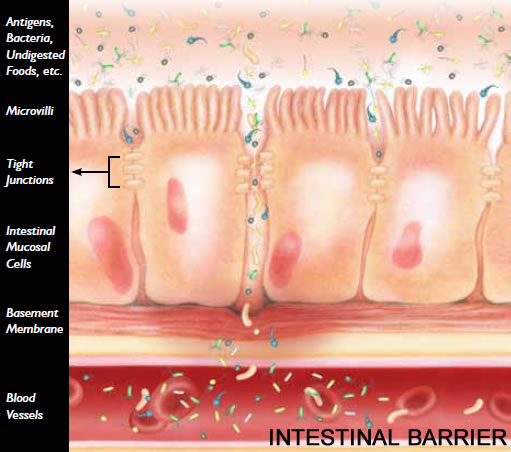
intestinal-barrierHygiene hypothesis, environmental connection with inflammatory diseases and allergies (intestinal problems, asthma, eczema, etc.)

 A recent study has come out regarding the connection with old bacteria and commensal microorganism and the modern urban disorders such as allergies. Asthma and inflammatory disorders, including depression and low moods connection. The author of the study has research all the papers connecting health and the amount and type intestinal ecosystem from babies to adulthood. Few of the studies are from animal research and others from humans. He states facts from our way Continue reading “Hygiene hypothesis, environmental and connection with allergies …”

Leaky gut – What is it?

Leaky Gut Syndromeintestinal-barrier

Leaky gut syndrome, or increased intestinal permeability, is a condition that occurs when the intestines become damaged, resulting in an enlargement of the pores in the intestinal wall. The increased pores size allows harmful toxins, bacteria and proteins to enter the body, thus overloading the liver and immune system (4).

 How Leaky Gut occurs?

Many factors have been shown to increase intestinal permeability.  These include food allergies, intestinal infections, aging, alcohol, non-steroidal anti-inflammatory drugs (eg. aspirin), intestinal dysbiosis, chemical toxins, maldigestion and the Pill (1,2,3, 4)

 Disease associated with Leaky Gut (2)

  • Chronic Arthritis
  • Acne
  • Eczema
  • Psoriasis
  • Irritable bowel syndrome (IBS)
  • Multiple food and chemical sensitivities

How do you know if you have Leaky Gut? Continue reading “Leaky gut – What is it?”

Macular degenaration

Prevention of macular degeneration

Macular degeneration is usually something  that occurs in old age but some studies have shown that it can start quite earlier in life and maybe in my opinion can be prevented. Some studies have shown an improvement with small amount of macular degeneration and even reverse the problem. They have shown that with taking specific anti-oxidants. Many studies have shown in vitro and with animal studies as well as humans that there is a vascular improvement in taking the anti-oxidants and other nutrients Continue reading “Macular degenaration”

Celiac. What is it and who could be celiac

Celiac Disease (intolerance to gluten)

Celiac disease is caused by intolerance to gluten, which is found in wheat, rye, barley and oat. Gluten will trigger the immune system in certain individuals and will lead to flattening of the villi in the intestine, preventing any nutrients to be absorbed, leading to loss of weight and serious deficiency of essential vitamins and minerals as well as protein, carbohydrates and fats.

15 High Risk Groups Prone to Celiac Disease

 All chronic, severe headache sufferers not responding to conventional therapies, especially when associated with dizziness or imbalance.

  • All patients with chronic neurological conditions of unknown cause (primary ataxias & peripheral neuropathies)
  • All insulin-dependent diabetic (IDDM) patients and all 1st degree family members of IDDM Patients.
  • All 1st degree family members of biopsy proven celiac patients
  • All patients with under-& overactive autoimmune thyroid disease (Hashimoto’s and Grave’s disease, respectively)
  • All anaemia of unknown cause, especially iron & folic acid deficiency anaemia in pre-menopausal women & children. Continue reading “Celiac. What is it and who could be celiac”

Tart Cherries: health benefit

Tart Cherry (sour cherry) nutritional value and benefit

Cherry tart has been suggested and used for gout for many years. The reason behind it is the anti-oxidant properties as well as the anti-inflammatory properties of the cherry. Tart Cherry contain a high amount of phenols and anthocyanins and cyanidin (Wang, Kuehl). Gallic acid is a phenol that is found high in cherries and in many studies gallic acid is an antioxidant protective of the kidney and the uric acid cycle in particular which is one of the reason it helps the gout. Continue reading “Tart Cherries: health benefit”

Baby brain development:

Baby brain development and happy synapses building from birth:

I had a very good interesting workshop where Dr Suzanne Zeedyk talked about connection with the baby and what happens from birth onward. What shapes that baby future and the importance of happy memory from birth to 3-4 years of age. The importance of the baby feeling safe, protected and loved even though they cry, or you leave them for a little bit with somebody that they do not know or for just the toilet or shower time. The importance of trust and forgiving starts from birth onward. Continue reading “Baby brain development:”

Nutritional value of Kale

Kale nutritional benefit

Kale is part of the Brassica family (Brassica oleracea acephala), the cabbage family to make it easier for everyone).  Kake and collards are essentially the same vegetables only kale has leaves with curly edges and is less tolerant to heat. Greens such as mustard greens, turnip greens, watercress have the same benefit of kale. Kale is thought to come from Asia Minor and be brought to Europe in the 600 B.C. Curly kale was a significant crop in ancient Rome. Continue reading “Nutritional value of Kale”

Coconut Chana Saag (kale recipe)

This recipes was tried and tested by one of my client (courtesy of Bonny). Website  that the recipe was taken is

http://www.theguardian.com/lifeandstyle/2014/feb/11/coconut-chana-saag-vegan-recipe?CMP=twt_gu

(Serves 6)
2 tbsp refined coconut oil
1 medium yellow onion, diced
3 cloves garlic, minced
2 tbsp minced fresh ginger
2 tbsp mild curry powder
1 tsp salt
Several pinches freshly ground black pepper
½ tsp anise seeds (or crushed fennel seeds)
¼ tsp garam masala
½ tsp ground cumin
¼ tsp cayenne (or more or less, depending on how spicy you like it)
1 (680g) tin whole tomatoes
2 (425g) tins chickpeas, rinsed and drained (3 cups)
225g kale, chopped
1 (396g) tin regular or lite coconut milk
2 tbsp fresh lime juice

For serving: cooked brown basmati rice

Preheat a large saucepan over a medium heat and add the coconut oil. Saute the onion in the oil for 5-7 minutes, until lightly browned.

Add the garlic and ginger and saute until fragrant, about 30 seconds. Add the curry powder, salt, pepper, anise seeds, garam masala, cumin and cayenne, and toss to coat the onions, letting the spices toast for a minute or so.

Add the tomato juice from the tin, scraping the bottom of the pan to deglaze. Simply hold the tomatoes and let the juice strain through your fingers. Now add the tomatoes from the tin, squishing them with your fingers as you put them in the pot, to mash them up. Add the chickpeas and mix well.

Cover the pan and bring the heat up a bit. Let it simmer for about 10 minutes, stirring occasionally. Add the kale and stir until wilted, then let it simmer, uncovered, for 5 minutes more to cook it down even further.

Add the coconut milk and heat through. Add the lime juice, then taste for seasoning. It tastes best if you let it sit for 10 minutes or so, but if you can’t wait, then just dig in. Serve over basmati rice with a little mango chutney and coriander on top.

• This recipe is taken from Isa Does It: Amazingly Easy, Wildly Delicious Vegan Recipes for Every Day of the Week by Isa Chandra Moskowitz, published by Sphere, price £20.