
 Hygiene hypothesis, environmental connection with inflammatory diseases and allergies (intestinal problems, asthma, eczema, etc.)
A recent study has come out regarding the connection with old bacteria and commensal microorganism and the modern urban disorders such as allergies. Asthma and inflammatory disorders, including depression and low moods connection. The author of the study has research all the papers connecting health and the amount and type intestinal ecosystem from babies to adulthood. Few of the studies are from animal research and others from humans. He states facts from our way of living from our past and the difference between rural urban living and the modern one. He compares and theorizes also about the importance of old bacteria and microorganism such as our friendly bacteria and non-so friendly bacteria in our gut and the modern childhood viruses as well. I am going to mention mainly the connection with probiotics in our intestinal tract and the possible connection with increased or decreased allergy status in children and adults. A mention here of also the hygiene hypothesis and our environmental living state, which can affect our body, mind and maybe spiritual connection (the spiritual connection due to our natural connection to the earth and nature, which people and children living in cities might have forgotten (1,3). In one of the hygiene hypothesis research on mice, mothers that had an helminthic infection, which would trigger the Th1 immune response, even if she had allergies herself, would not have the offspring with allergies compared to the one that were not exposed to Helminthic infection (4,5). Since the time of my University which was 14 years ago, Dr Jean Monroe who was an expert in allergies, had mentioned the connection between Th1 immune system and Th2. And children and adults with allergies had the Th2 switched on high alert more than the Th1.
Strachan was one of the first to mention the possible relationship between the hygiene hypothesis and the possibility of an inverse relationship between family size and the development of the atopic allergies (2,4). This hypothesis mention the possibility that if a child is overprotected from exposure to the common infectious agents and comes into contact with the pathogenic infectious later in life, there is an altered immune response that trigger the allergies and the disorders related to that such as Irritable Bowel Diseases such as Crohn’s disease, irritable bowel syndrome, and other inflammatory bowel disorders or air born disorders such as asthma etc. According to many studies the presence of sibling, contact with the commensal macrobiotics and other natural organism such as helminths or other old infection that were present in the Palaeolithic time can all influence negatively or positively to the triggering of allergies and all type of inflammatory conditions from childhood or baby period (1, 2,3,4). Caesarean section, the intake of antibiotics in mother and baby can all strip the baby of the first macrobiotics of his life, which will help balancing the right immunological response at the start of his lifetime (3). Koloski review on Medline on the connection between the old commensal macrobiotics such as H. pylori showed an inverse connection with IBD presence later life. Rook hypothesis seems to have the same outline but he adds that the urban diseases such as measles and the hygiene are not helpful in helping the host with regulating their immune system but the exposure to the old commensal microorganism (oral, genital, skin and intestinal) and the environment where the child grows, including having siblings, and the natural contact with nature are key factors in regulating the immune system from the start of life to adulthood. Koloski also adds the benefit of breastfeeding to Rook list as an important factor. One of the differences that it is mentioned in the study, is that breast milk compared to the formula has immunoglobulins (IG are part of the immune system). It has also lactoferrin, which is an iron-binding protein that limits the availability of iron to the harmful bacteria in the gut and by doing so it supports the friendly bacteria in the intestinal (4).I am not going to discuss any vaccine related symptoms here as that is a very delicate issue and parents needs to do their own research and make their own mind up on what they want to do with their own gut feeling about the issue and the health of their babies. The connection with antibiotics in children and adults is also quite strong and the reason for giving or taking probiotics in early stage could be the connection between reducing the chance of allergies and not (this is from my own clinical experience with babies, children and adults as well as studies). Many studies also show that having older siblings is inversely connected to the developing of allergies and or IBD disorders (2,3,4). The reason for that seems to be an early exposure of the baby to viral infections and therefore a faster development of the immune system and Th1 immuno regulation which deals with the viral infections.
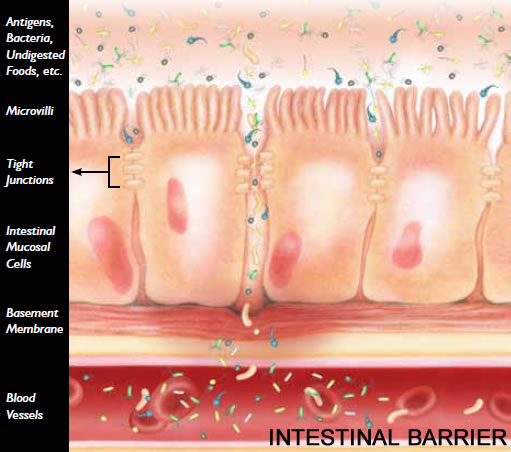
All the studies are hypothesis with many studies confirming one thing or another a lot of them are now connecting the microbiotic importance and the environmental exposure at an early stage of life including having pets or having siblings. There is no one solution as usual with any of the inflammatory condition and for many children and adults can be a combination of all the hypothesis. One thing that I notice in my own clinic is that starting from the repairing of the intestinal tract and taking probiotics seem to be one of the point of change. Eliminating some of the food that could possibly cause a problem is also the other key. Since adding cranio-sacral therapy to my sessions I have also seen an increase in body and mind health and connection with a much increased positive outcome. In conclusion nothing and everything can be the cause of the problem, we just need to remember that we are all individual and that something that works with one person or child might not work with another. My suggestion is to never give up in finding the solution for any of the inflammatory conditions from eczema to irritable bowel disorders or joint inflammation. And most of all, enjoy good natural food, vary the colour of your food, enjoy nature, stay in contact with it, live your life in the most positive way and have fun!!
- Braun-Fahrlander C. (2013). The role of the microbial environment for the development of childhood asthma and allergies. Abstract. Umsch, Dec: 70 (12):714-9.
- G.A.W . Rook et al. (2014) Microbial old friends, immunoregulation and socioeconomic status. Published by John Wiley & Sons Ltd on behalf of British Society for Immunology. Clinical and experimental immunology.
- N. A. Koloski et al (2008) Hygiene hypothesis in inflammatory bowel disease: A critical review of the literature. World J Gastroenterol; January 14; 14(2): 165-173.
- Straubinger K. et al (2014) Maternal immune response to helminth infection during pregnancy determines offspring susceptibility to allergic airway inflammation. Abstract. Allergy Clin Immunolo, Jul 18.
- D. P. Strachan (2000). Family sizem infection and atopy: the first decade of the Hygiene Hypothesis. Thorax. August; 55 (suppl. 1): S2-S10.
 Craniosacral Healing /Nutrition NAET/Mindfulness living/ NlP health coach /mind body and soul